
In May 2024, the LIFE with Bison project translocated 14 European bison to Romania through two successive transports. This integration increased the population size and enhanced genetic diversity in the existing free-ranging population in the Țarcu Mountains.
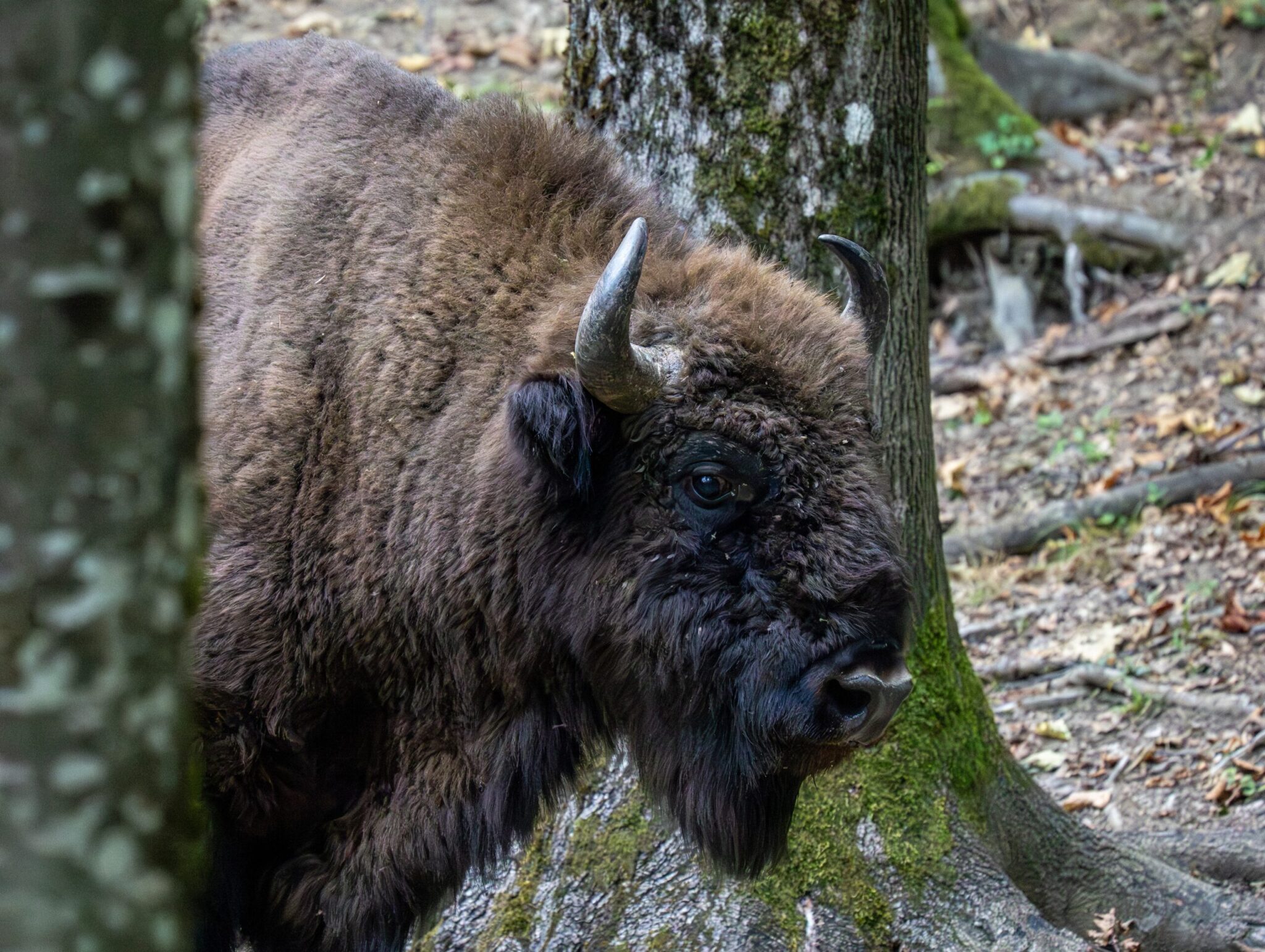
The first group, composed of 10 bison, came from Donaumoos, Germany, and involved animals from four breeding centers: Kiel, Sababurg, Wielburg, and Donaumoos. Staff kept the animals together at the Donaumoos center before transport to develop stable social structures and ease adaptation to the new environment.
On 31 May, project staff transported four additional bison from Avesta Visentpark in Sweden.
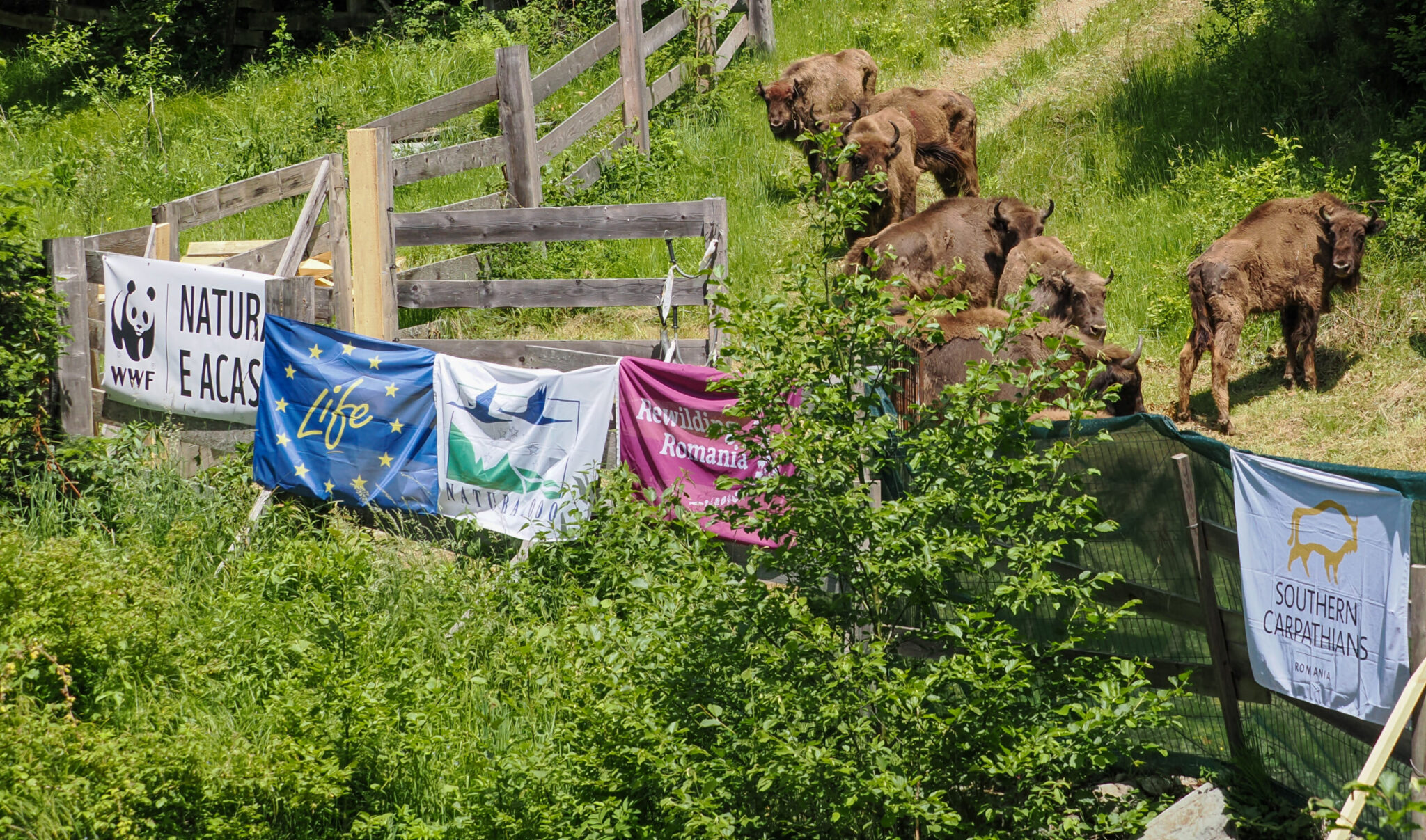
Upon arrival in Romania, staff placed all 14 animals in a 16-hectare acclimatization enclosure and supervised them, along with a ranger team and a veterinarian, for approximately 2.5 months. This step helped the animals adapt to their new surroundings before their release into the Țarcu Mountains in August 2024.
At the end of the acclimatization period, staff released the bison to join the existing free-ranging population. These two translocations raised the bison population in the region to approximately 200 individuals in 2024, with nearly half born in the wild.
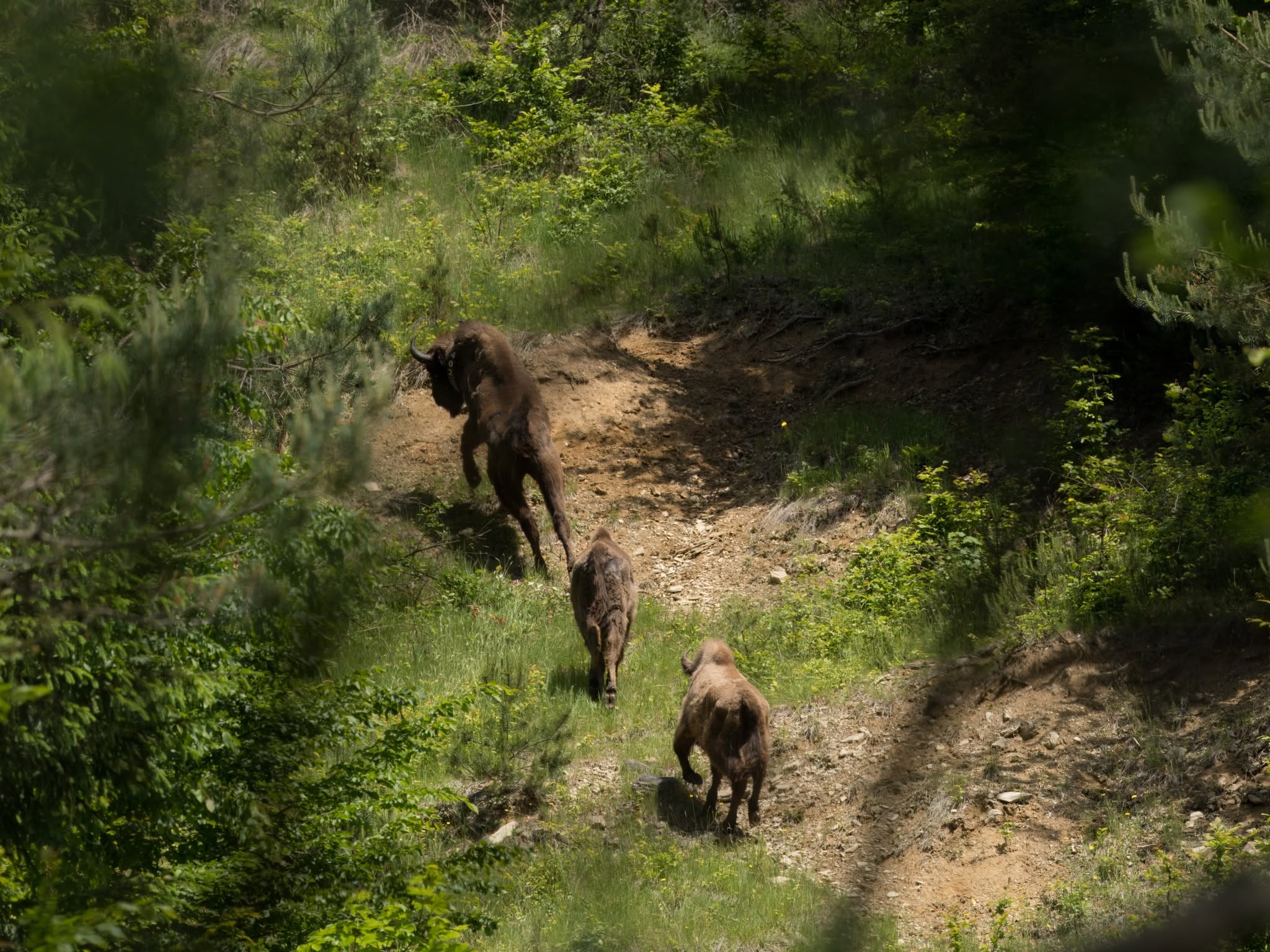
The LIFE with Bison project foresees the translocation of approximately 40-60 bison during its implementation period (2024–2029), contributing to the establishment of a self-sustaining population in the south-western Carpathians.
Project teams plan another translocation for 2026, but a lack of a clear institutional framework complicates the release of bison into the wild. Authorities responsible for wildlife and protected species have not yet assumed explicit responsibility for the free-ranging bison in the Țarcu Mountains.
