
One of the main objectives of the LIFE with Bison project is to develop a favorable framework for coexistence between local communities and the European bison population in the Țarcu Mountains. To achieve this goal, Rewilding Romania implements a range of measures that combine ongoing dialogue with local communities, wildlife monitoring, and practical field-based actions.
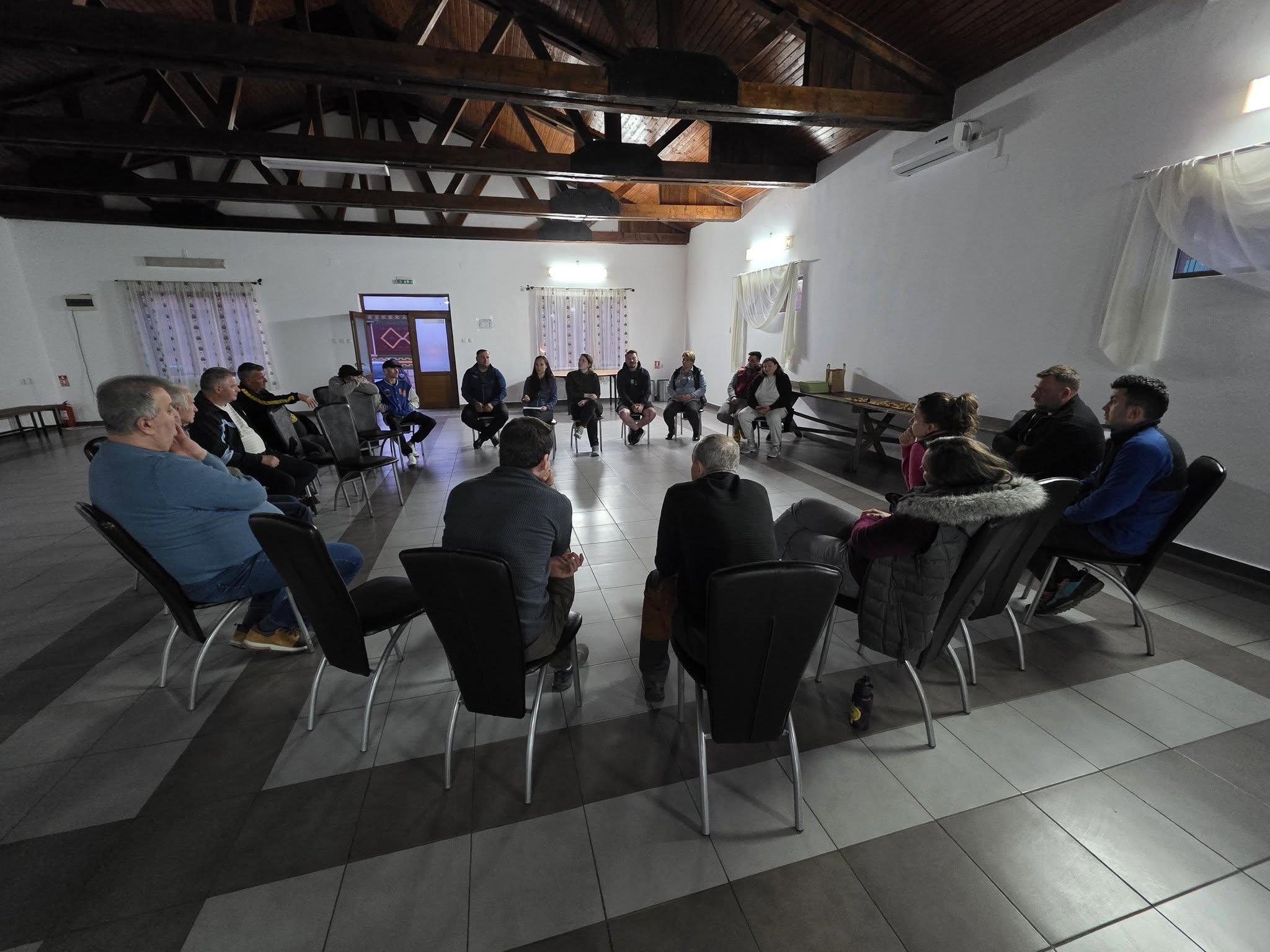
Since 2024, Rewilding Romania has organized regular public meetings in the communities of Feneș and Rusca, attended by local residents, local authority representatives, and members of the project team.
Discussions focus on the presence of bison in the area, observations reported by local residents, ongoing activities, and planned measures. The information gathered helps identify areas frequently used by bison, establish intervention priorities, and adapt project activities to local conditions.
We have also provided support to local farmers whose properties were affected by bison, including the replacement of damaged trees.
Although the LIFE with Bison project officially started in 2024, some coexistence measures now in place were initially developed and implemented by the Rewilding Romania team as early as 2023. These activities were later integrated into and expanded through the project. This process contributed to the coexistence between local communities and the European bison population in the Țarcu Mountains.
Some of these measures are ongoing, particularly during the winter months, when bison are more likely to move to lower elevations. During this period, rangers conduct regular patrols to monitor field conditions, maintain prevention infrastructure, and deter animals from entering villages and agricultural land.
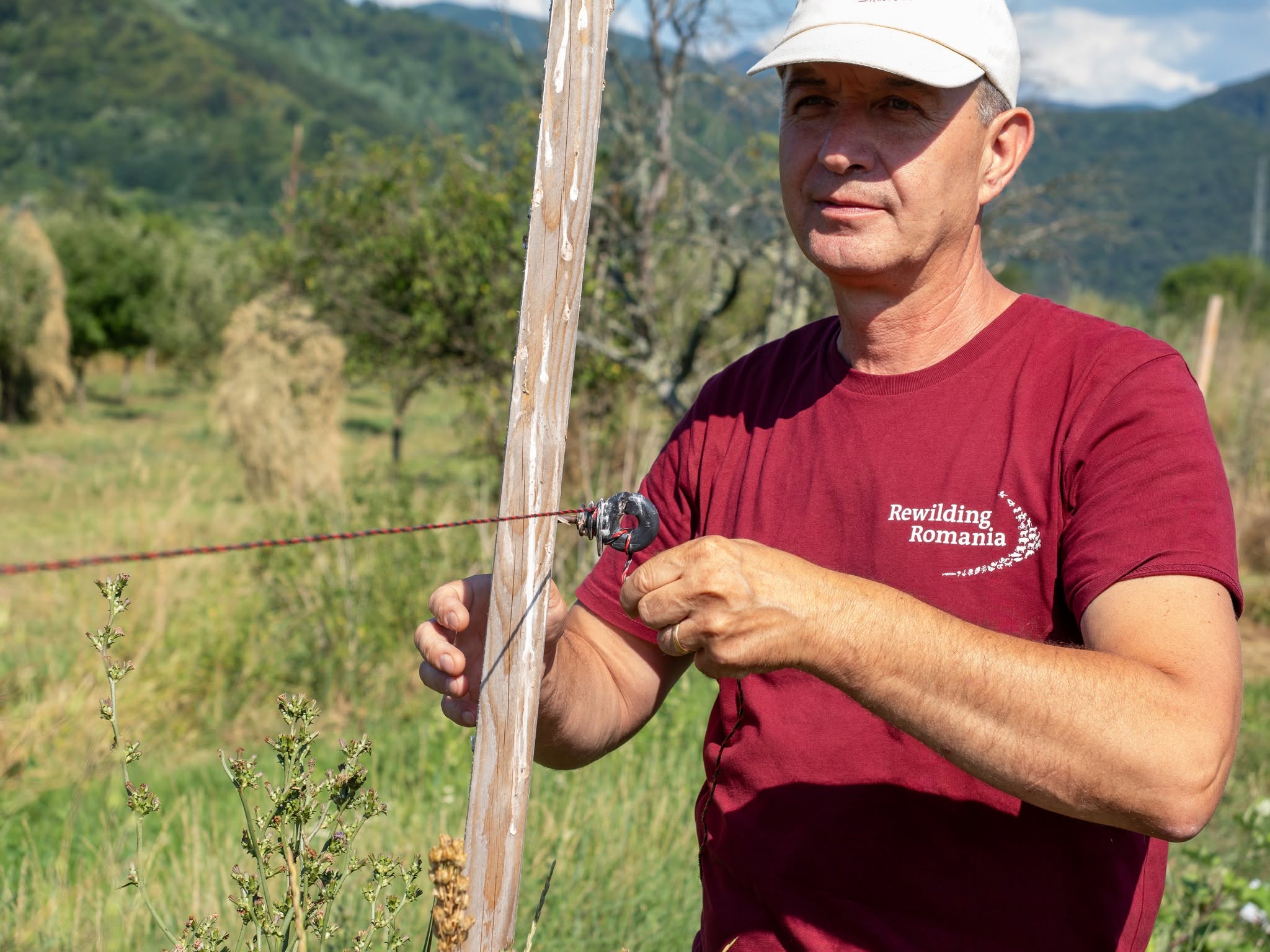
The main coexistence infrastructure is the seasonal barrier fence installed near Feneș to protect agricultural land. The fence is erected each year in November or December and removed each spring. This minimizes its impact on the movement of other wildlife species and allows access for livestock farmers who graze in the area. The barrier fence was installed in the 2023-2024, 2024-2025, and 2025-2026 seasons. It measures approximately 3.5-4 km in length.
A total of 9 km of electric fencing has been installed to protect properties.
In addition, a mesh-wire fence was constructed to protect the cemetery in Feneș. A separate electric fence was installed around the secondary cemetery. Furthermore, 14 electric fences have been installed to protect properties within the bison range. Another electric fence was installed in the Marginea hunting ground to help prevent crop damage caused by red deer. To date, the coexistence infrastructure established includes three seasonal barrier fences, one mesh-wire fence, and 15 electric fences.
Since 2023, a total of 39 coexistence reports have been recorded, documenting situations in which bison presence caused damage to property, orchards, or agricultural crops. Most cases involved apple and plum orchards, with 1 to 21 trees affected on individual properties. Damage to crops such as alfalfa and maize has also been reported, along with disturbances to recently sown fields.
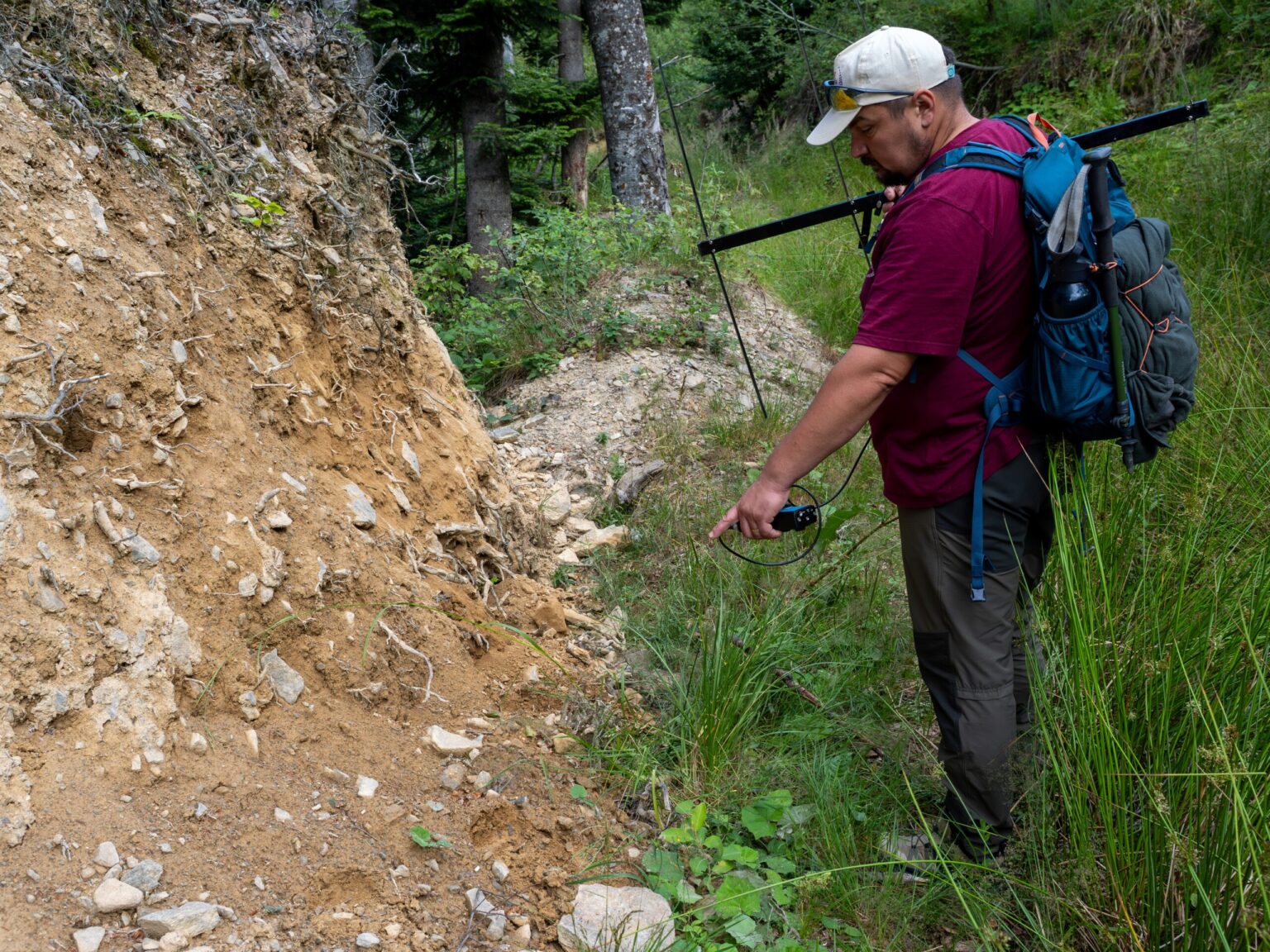
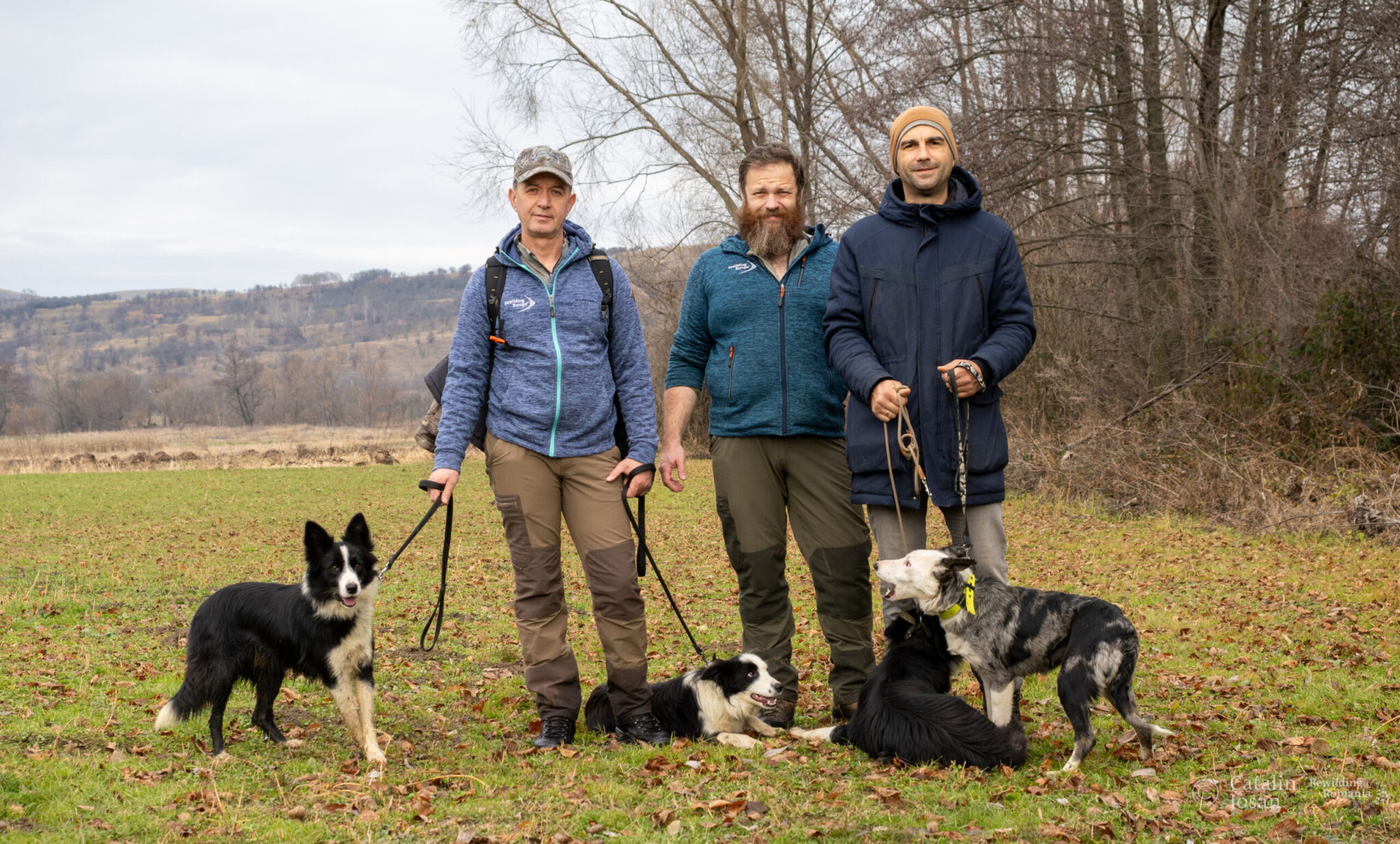
Patrolling remains a core activity for the ranger team. Between December and April, patrols are conducted regularly, at least three out of every five working days, and include both preventive actions and responses to requests from local communities. Since 2025, the effectiveness of these interventions has been further enhanced through the use of specially trained canine units, which help locate bison more efficiently and guide them back towards suitable natural habitats.
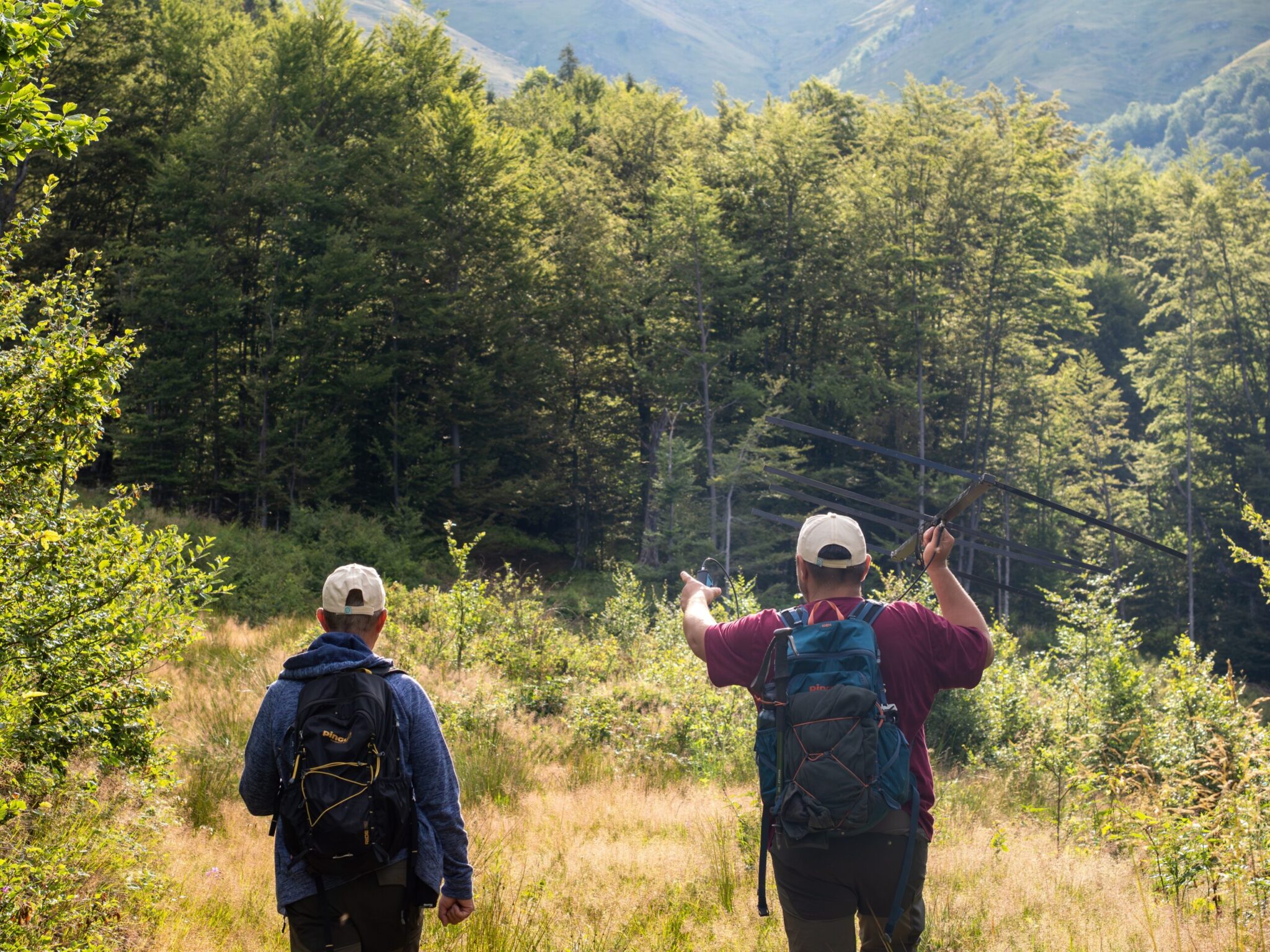
GPS monitoring also plays an important role in coexistence management. Virtual fences have been established within the EarthRanger platform in areas where bison are more likely to approach villages and agricultural land, particularly during periods when food resources are less available in their natural habitats.
When a GPS-collared bison enters one of these designated areas, the system automatically alerts the field team, enabling rangers to respond quickly. The expansion of this system depends on increasing the number of monitored animals, a process currently constrained by the administrative procedures required to obtain the necessary permits and derogations.
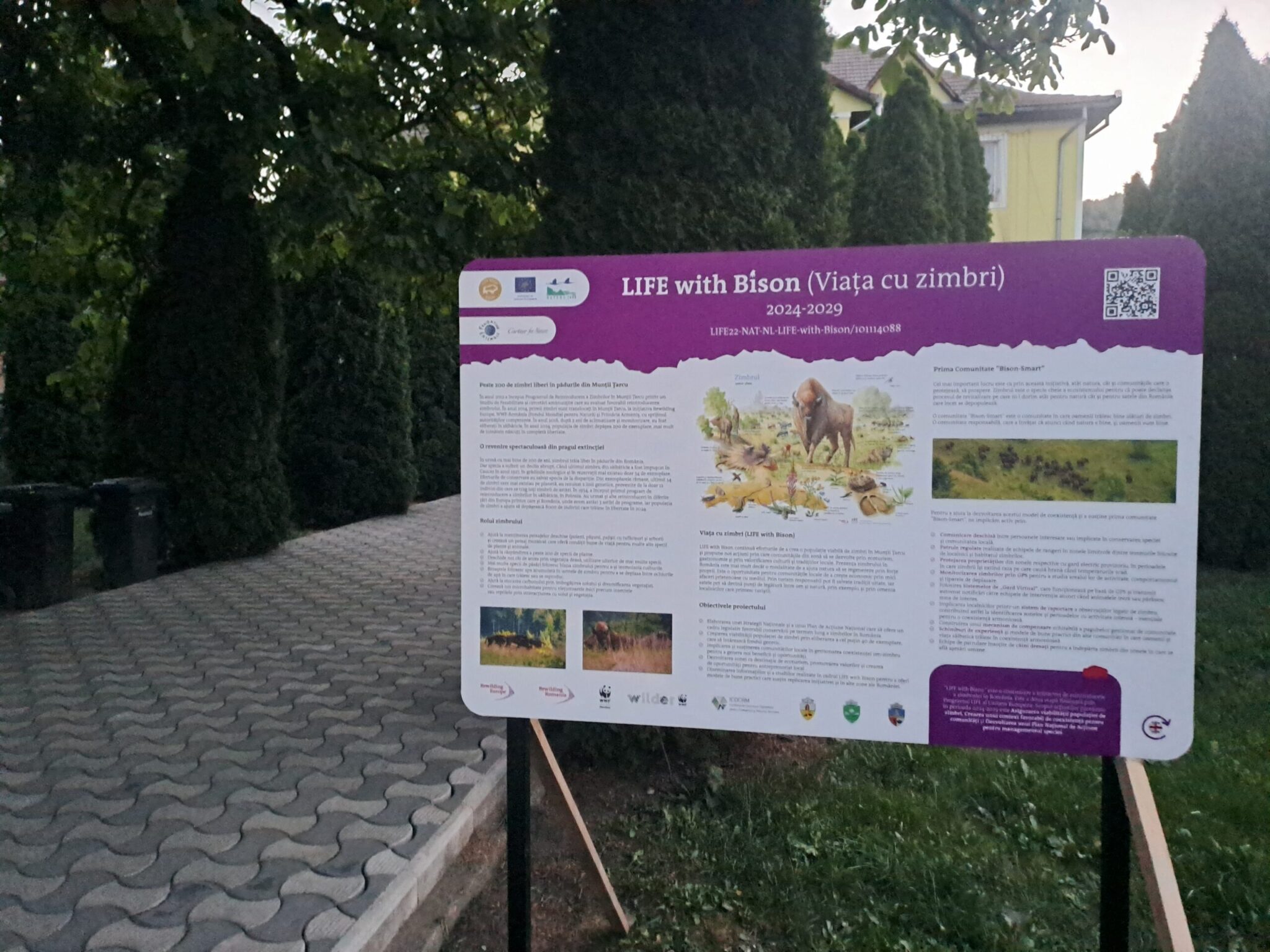
Alongside prevention and intervention measures, the project also aims to increase public awareness of coexistence with wildlife. In 2025, work began on developing an interpretive trail in the Feneș area, which is expected to help foster understanding and positive attitudes toward wildlife by providing information about the ecological role of the European bison, existing coexistence measures, and local opportunities created by the species’ presence.
Through the monitoring, prevention, intervention, and community engagement activities carried out within the LIFE with Bison project, practical solutions are being developed and tested to help strengthen a functional model of coexistence between people and European bison in the south-western Carpathians.
