
A landscape shaped by water, with wetlands, reedbeds and a rich diversity of species – a place where restoring natural processes can create the conditions for nature to return and new economic opportunities for local communities.
Rewilding Area
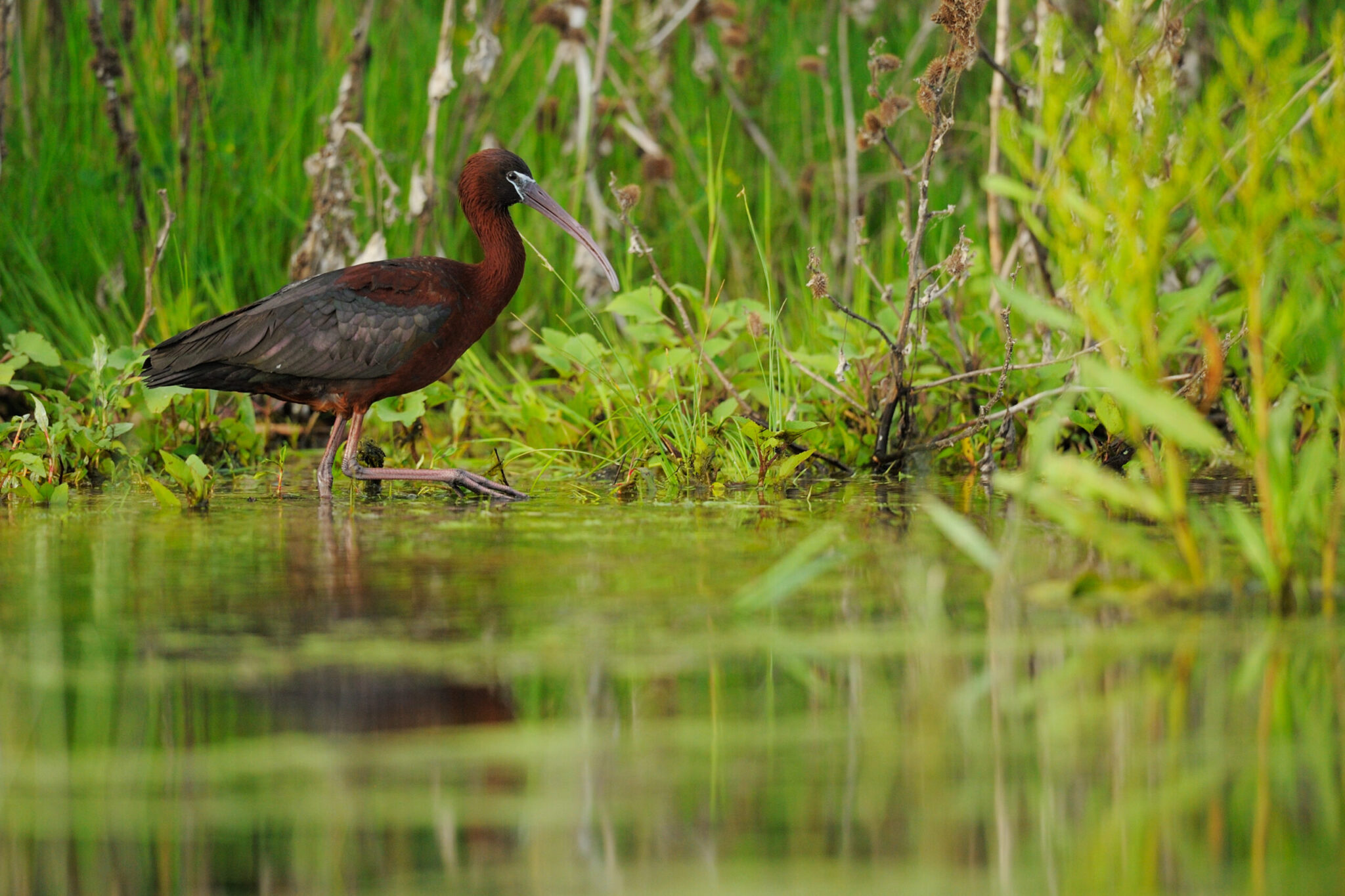
Staffan Widstrand / Rewilding Europe
The Danube Delta is a transboundary natural area spanning Romania, Ukraine and, to a lesser extent, the Republic of Moldova, with rewilding activities adapted to each country’s context. It is a distinctive area where water continues to shape the landscape and influence the lives of people and the species found here. For generations, the river, nature and local communities have remained closely connected through the natural cycles that continuously shape this territory.
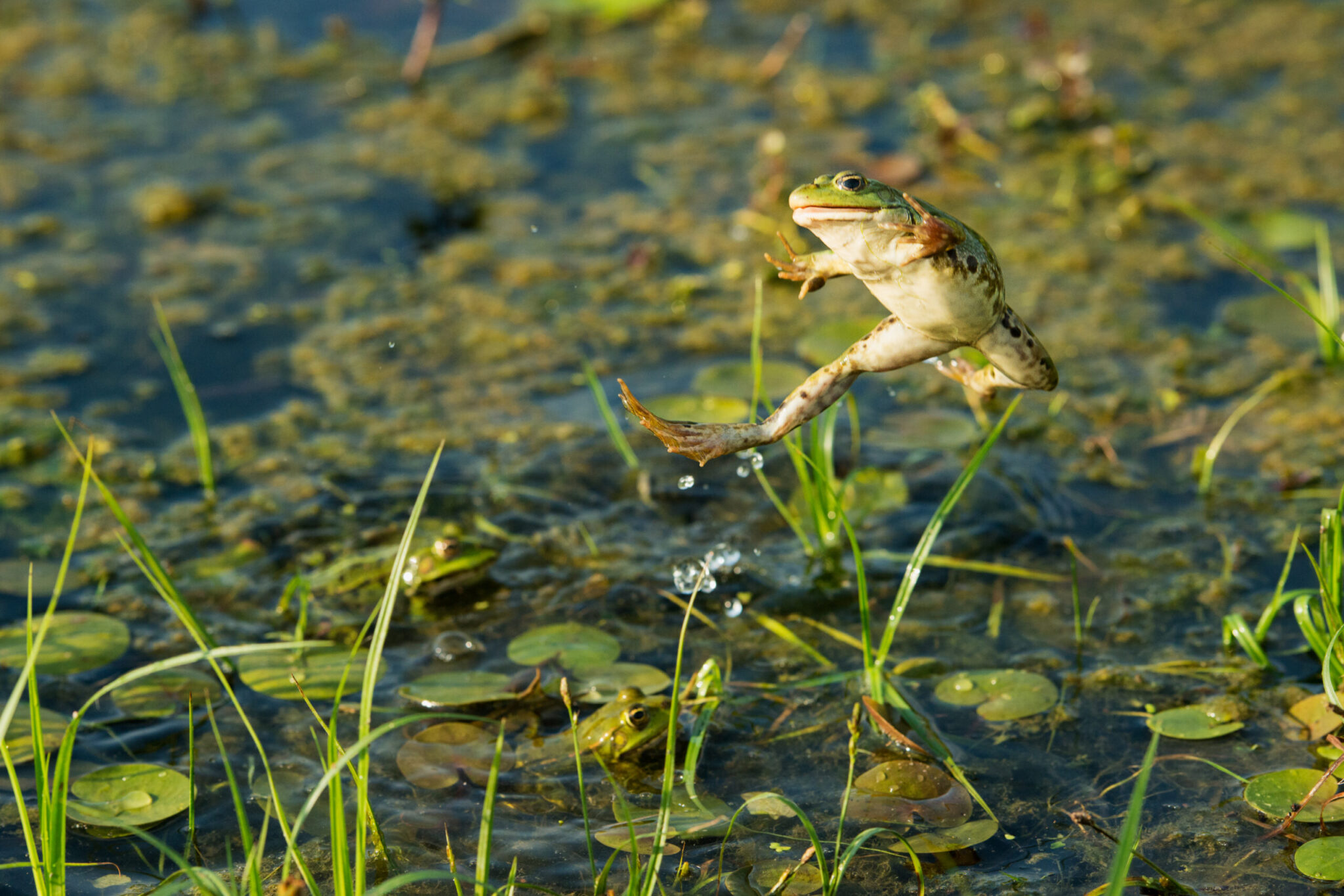
Magnus Lundgren / Rewilding Europe
In recent decades, intensive economic activities in this part of the country have led to the embankment, drainage and transformation of parts of the Delta, affecting natural habitats, biodiversity and ecosystem functioning. Water flows have been altered, habitats fragmented, and some natural processes that shaped this landscape disrupted.
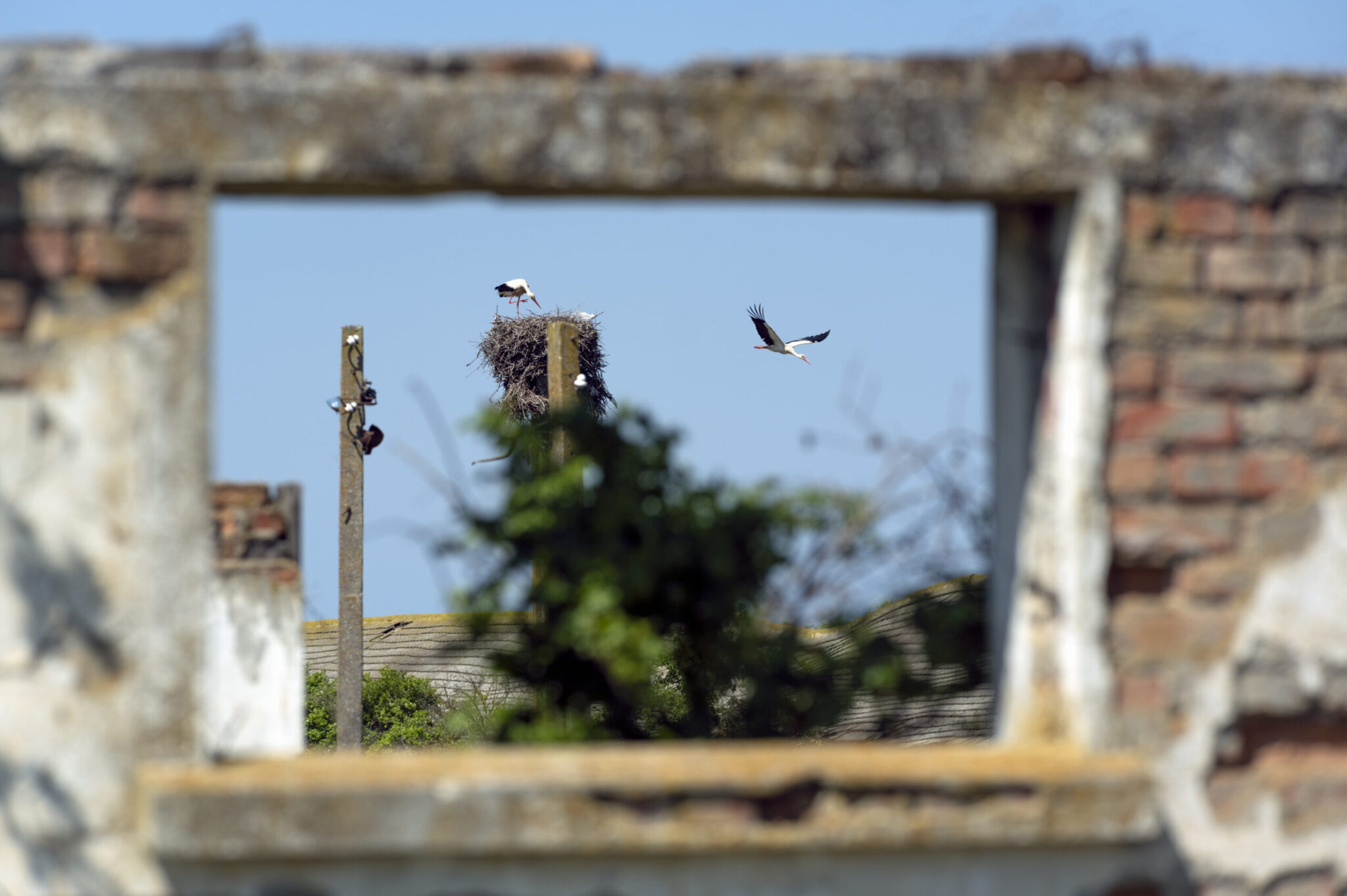
Alongside the Southern Carpathians, the Danube Delta is one of the areas in Romania where the Rewilding Romania Foundation carries out rewilding initiatives. Our work focuses on the Letea Sandbank, within a former fish farm covering approximately 900 hectares, known by the symbolic name “Ultima Frontieră”. Located near the village of Periprava and close to Letea Forest, the area retains infrastructure built for fish farming: dykes, canals and artificial basins, alongside habitats characteristic of the Delta, including reedbeds and wetlands.
Sebastian Bugariu / Pelican way of LIFE
Our initiatives in this area aim to restore the conditions needed for natural processes to shape the landscape once again. Water and wildlife play an important role in this process, while the return of nature can also generate new opportunities for local communities.
How We Are Involved
Restoring Wetlands
One of the main areas of our work at Ultima Frontieră is restoring the natural movement of water. By gradually opening the compartments of the former fish farm, we can reconnect the basins and return Danube water to areas that are currently dry or fragmented. This process has already begun in the northern part of the site, where approximately 100 hectares are currently being restored.
The aim, however, is not simply to bring water back, but also to restore the connections between water, vegetation and wildlife so that the ecosystem can once again function as a whole. Reedbeds, open water, floating vegetation and shallow-water areas can provide food, shelter and breeding grounds for numerous species.
Restoring Wildlife and Natural Processes
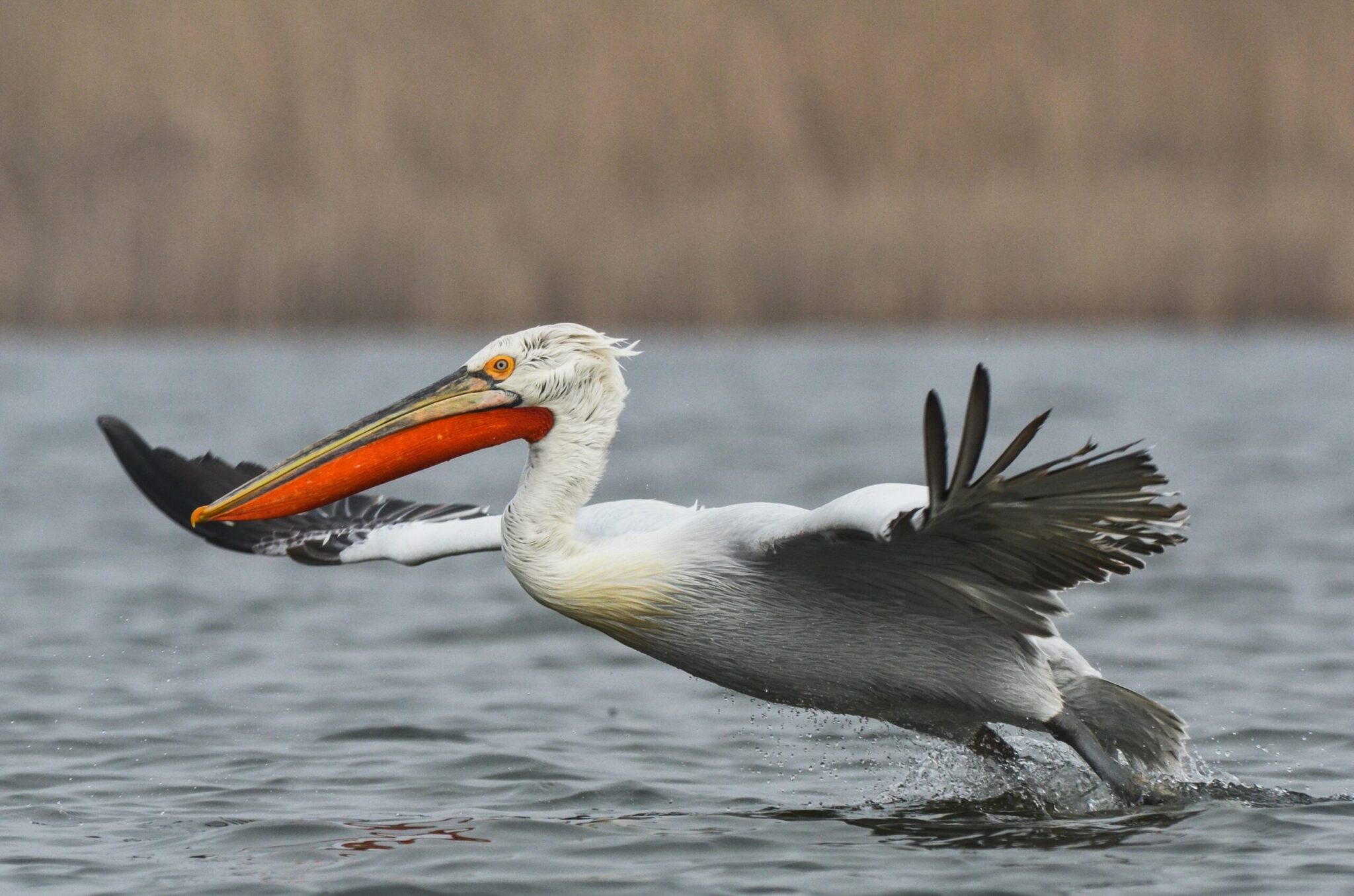
Our work at Ultima Frontieră aims to create the conditions needed for more diverse and abundant wildlife. Rewilding and monitoring initiatives cover several groups, from birds such as Dalmatian pelicans, terns and marsh terns, and various fish species, to mammals such as beavers and golden jackals.
Wildlife returns depend on the functioning of the ecosystem as a whole and on the connections between water, vegetation, and wild animals. Targeted interventions, even on a small scale, can often help create important conditions for restoring natural processes. In other situations, more complex ecological processes need to be restored so that habitats can support wildlife over the long term.
Our attention also extends to less visible processes that are essential to ecosystem functioning, such as the decomposition and recycling of organic matter. At Ultima Frontieră, we are investigating why coprophagous species are less common, as well as the conditions that could allow dung beetles to return and resume their ecological role.
Herbivores as Part of the Landscape
Restoring natural processes does not depend on water alone. Mammals moving through the landscape and interacting with vegetation also contribute to ecosystem functioning.
The semi-wild horses of Letea already naturally roam as far as Ultima Frontieră and, through grazing and movement, help maintain a mosaic of open habitats, limit excessive vegetation growth and disperse seeds.
Roe deer and wild boar are also present in the Danube Delta landscape, although in extremely low numbers. Restoring functional habitats can create the conditions for their populations to recover naturally and once again contribute to the processes that shape the landscape.
In this context, we focus our efforts on creating the conditions needed for natural processes to fulfill their role in the ecosystem once again: allowing water to shape wetlands, animals to influence vegetation, seeds to disperse and organic matter to be recycled.
Good for People, Good for Nature
Ultima Frontieră is only one kilometre from Periprava, and the future of this place is closely connected to the people who live here. We are working to ensure that the return of nature also creates new opportunities for local communities, contributing to their development through our activities so a healthier ecosystem can also benefit those who call the Delta home.
The area’s wild character and the diversity of its fauna and flora offer valuable opportunities for developing nature-based tourism. Ultima Frontieră can become a place of exploration and discovery for photographers, biologists, wildlife enthusiasts and those who want to experience the Delta beyond the usual tourist routes. The existing network of wildlife hides already provides opportunities for photography and close encounters with wildlife, while its further development can diversify and enrich the experiences available to visitors.
The Danube Delta tells its story not only through nature, but also through its local communities and their close connection with this territory. Its people, stories, local traditions, gastronomy, products, and crafts linked to water and its resources are all part of this place’s identity. Through our work in the area, we help develop nature-based tourism that connects these elements and creates tangible opportunities for local people. In this way, a richer and healthier nature can also benefit local communities.
Education, Research and Engagement
Education and local community involvement are an important part of our work at Ultima Frontieră. We have already organized the first camps for children and young people, and these initiatives will continue through new educational activities, volunteering, and research programs. At the same time, we are developing training initiatives for people involved in local tourism, helping to strengthen existing skills and opportunities in the area.
Children are the future of the Delta’s communities, which is why nature education plays an important role in our work. Through initiatives designed for them, we encourage children to explore the environment they are growing up in, learn about wild species, and understand the natural processes that shape this landscape. We believe that fostering this connection with nature from an early age can help them understand the value of the Delta and, over time, contribute to its protection and restoration.
