
Rewilding Romania is implementing a program to restore and strengthen populations of fallow deer and red deer in the South-Western Carpathians. The initiative aims to increase population numbers and improve genetic diversity, supporting natural processes. Through their grazing, movement, and seed dispersal, deer maintain open habitats, enhance vegetation diversity, and support healthy ecosystems. They also provide food for large carnivores, contributing to food web stability.
C?t?lin Josan
Rewilding Romania is partnering with the Ursul Brun Retezat Hunting and Sport Fishing Association to restore fallow deer (Dama dama) and red deer (Cervus elaphus) populations in the region.
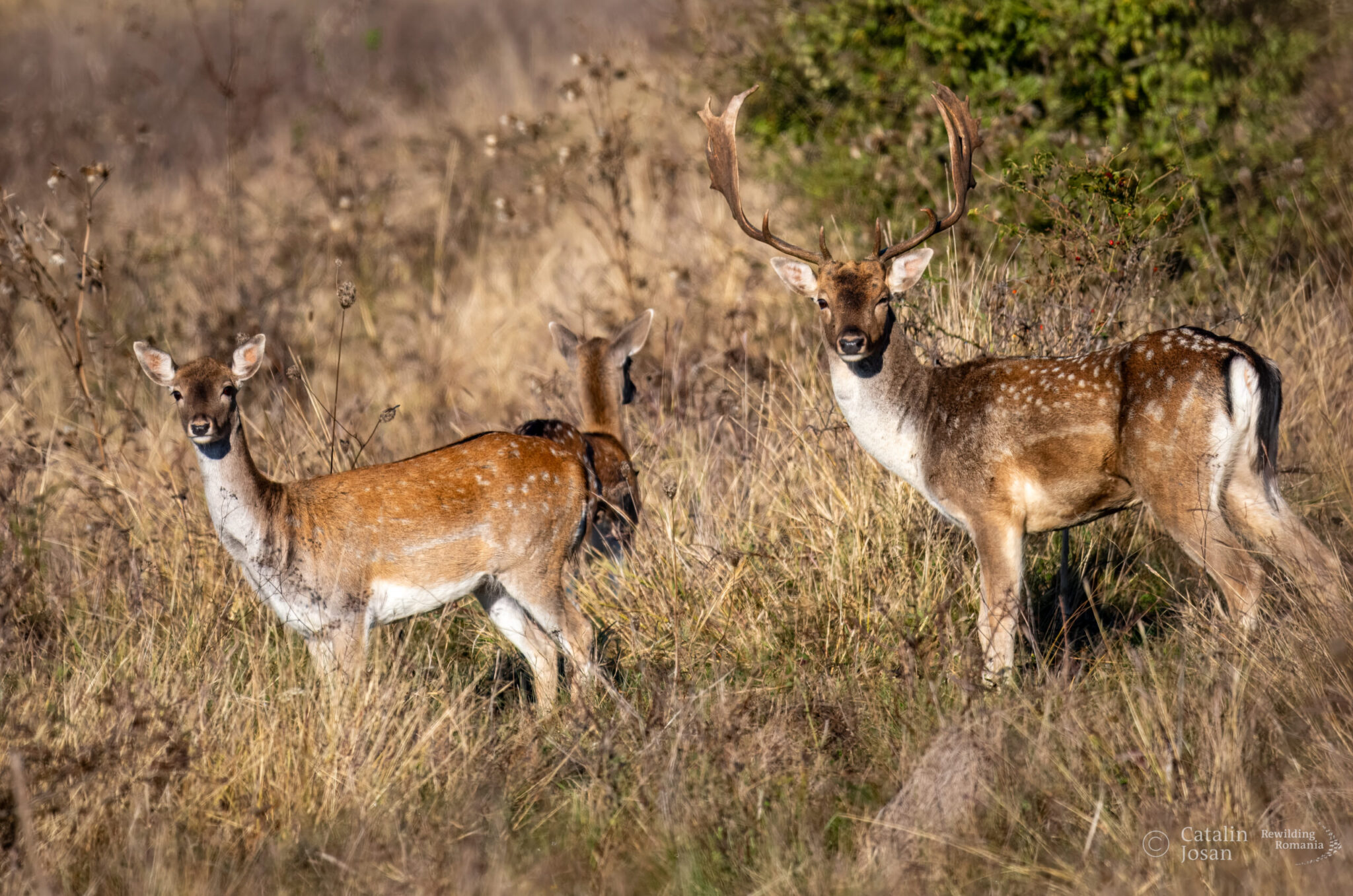
In 2024, the fallow deer population in the Silvaș Hunting Ground No. 48 was estimated at approximately 50 individuals. This is the only remaining fallow deer population in Hunedoara County, where the species has been present since the 1970s. However, the absence of neighboring populations limits gene flow and increases the risk of inbreeding. As part of the program, 41 fallow deer and 60 red deer were released into two hunting grounds in the South-Western Carpathians during 2024.
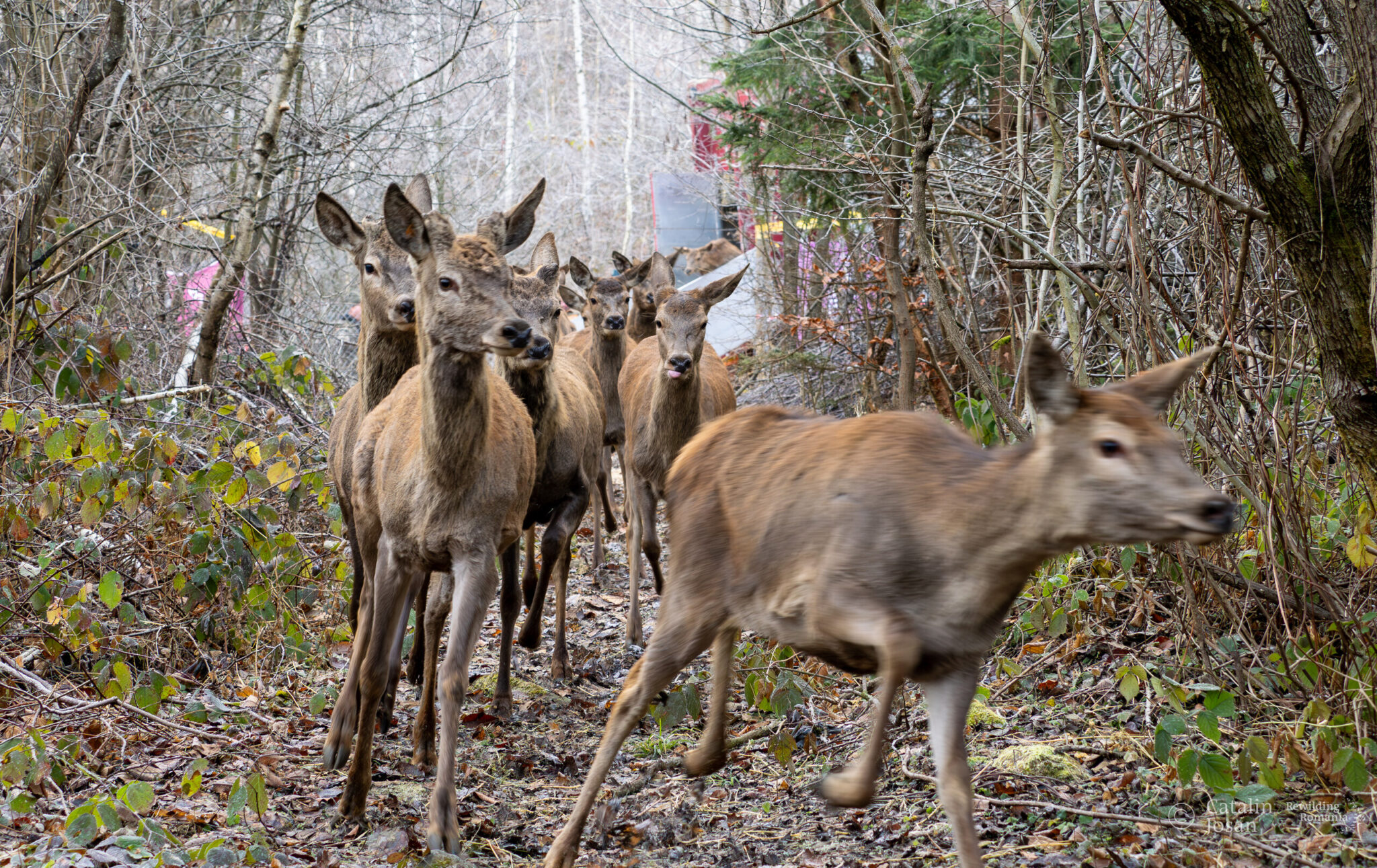
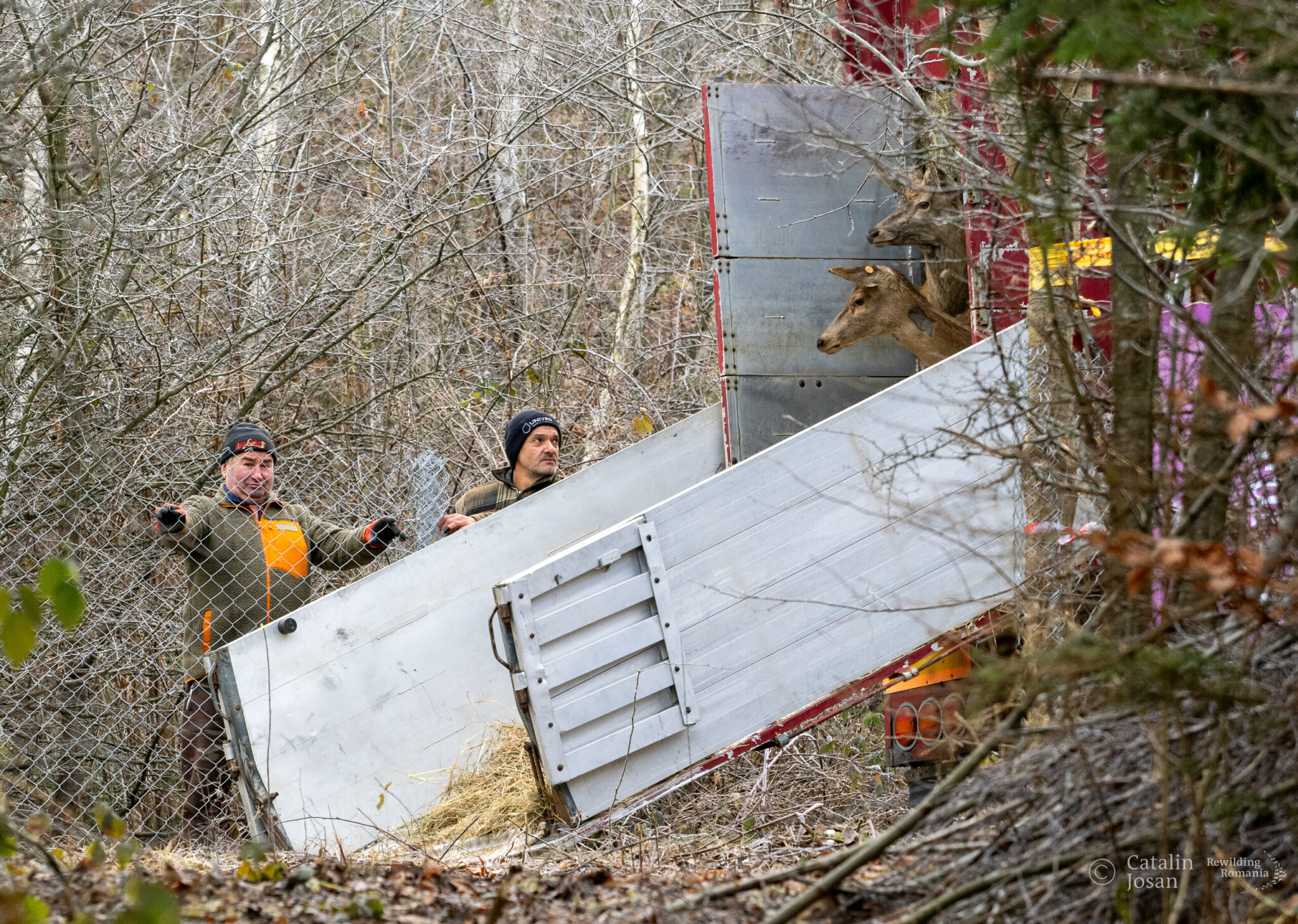
Authorized European breeding facilities supply the animals translocated under the program. Veterinary professionals genetically certify and health-screen them before Rewilding Romania releases them into carefully selected habitats that offer favorable conditions for adaptation and integration into existing populations.
Post-release monitoring forms a key component of the program. Rewilding Romania has fitted several released deer with GPS collars to track their movements, habitat use, adaptation, and the risks they encounter, such as potential vehicle collisions and interactions with human activities. These data support adaptive management and inform future translocation and restoration work.
Strengthening fallow and red deer populations restores key ecological processes and balance in the South-Western Carpathians. This re-establishment supports nature-based economic activities, including wildlife watching and photographic tourism, benefiting both biodiversity and local communities.
