
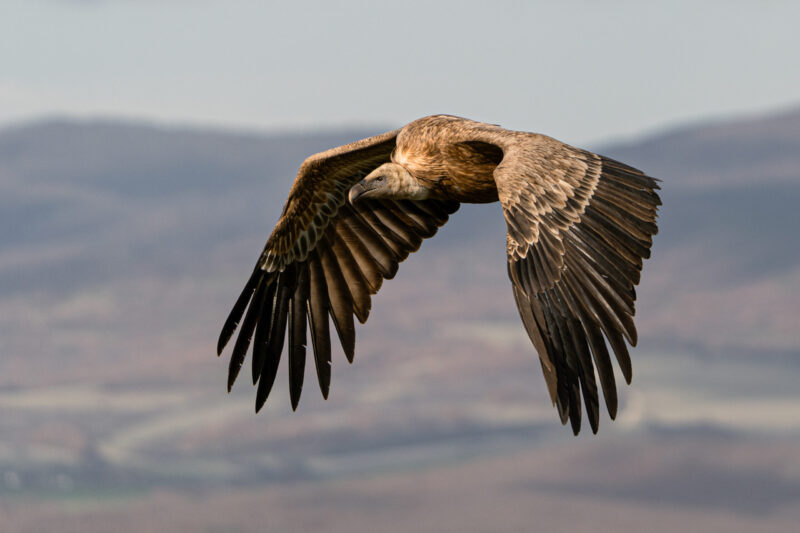
Would you be able to recognize a vulture if you saw one in flight? Would you know how to tell it apart from an eagle? If your answer is “no,” you’re not alone. Today, few Romanians still know that, until about a century ago, four vulture species were part of our country’s wildlife.
For many of us, these impressive birds are just images seen in documentaries, characters from stories, or illustrations in textbooks. If the questions above got you thinking, we have a challenge for you. We’ve launched Desprevulturi.ro – an interactive platform that invites you to discover, through play and exploration, the four vulture species that once soared over Romania’s skies. The platform, created by the Rewilding Romania Foundation in collaboration with the Romanian Ornithological Society (SOR) and with the support of the Ministry of Environment, Waters and Forests, invites you to discover the world of vultures engagingly through quizzes and spectacular photographs.
On Desprevulturi.ro information blends with play and interactive challenges. Test your knowledge, learn to identify the four vulture species that once lived in Romania, discover what sets them apart, and learn about their role in maintaining healthy ecosystems.
Go to Desprevulturi.ro and see how much you already know about Romania’s vultures, or let yourself be surprised by things you might not have known until now.
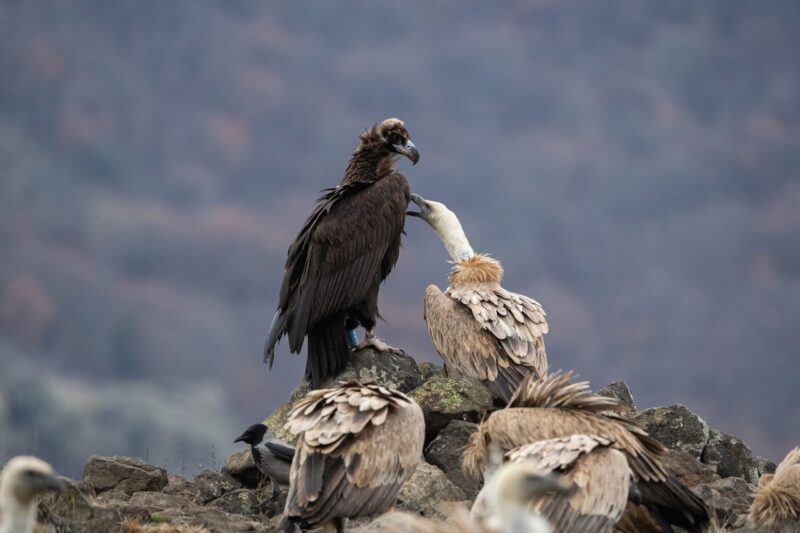
The griffon vulture (Gyps fulvus) is the most numerous vulture species in Europe and can still be seen in the skies of many Balkan countries today.
The cinereous vulture (Aegypius monachus) impresses with its size, ranking among the largest birds of prey on the continent.
The bearded vulture (Gypaetus barbatus) is perhaps the most spectacular of the vultures, known for its habit of dropping bones onto rocks to reach the marrow inside.
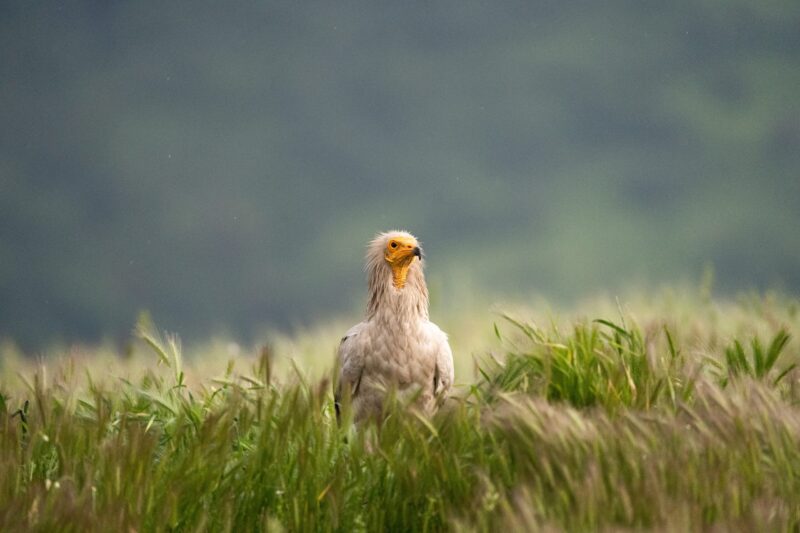
The Egyptian vulture (Neophron percnopterus), also known as the white scavenger vulture, is the smallest vulture species in Europe and one of the most intelligent, known for using tools to find food.
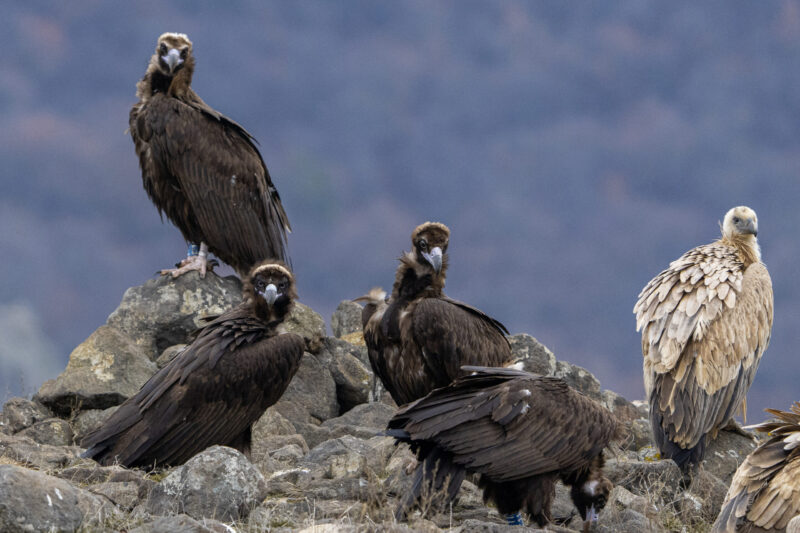
Beyond species recognition, Desprevulturi.ro invites you to discover why vultures are so important for nature. Find out how they help limit the spread of disease, recycle nutrients, and maintain the balance of ecosystems – and why they are considered nature’s true sanitation workers. Although they are often associated with the death of other animals because they feed on carcasses, their presence is, in fact, a sign of a healthy ecosystem.
Go to Desprevulturi.ro, accept the challenge, and explore the world of vultures through play, challenges, and surprising facts. Discover how much you know and let yourself be surprised by what you’ll learn.
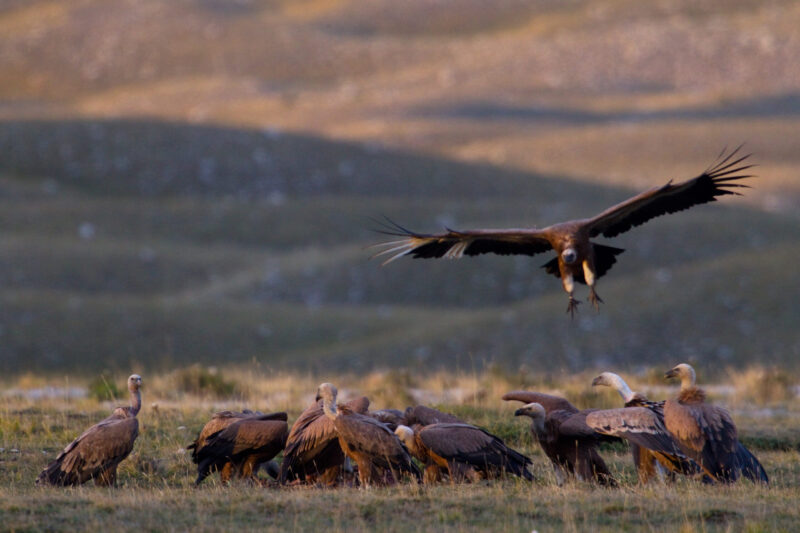
The launch of the interactive platform is part of the information and awareness campaign dedicated to the return of vultures to Romania. It marks the first step of the project “Return of the Griffon and Cinereous Vultures to the Southern Carpathians for a Wilder, More Connected Europe.”
The project LIFE for Vulture will be implemented between 1 October 2026 and 30 September 2033 and aims to reintroduce and establish viable wild vulture populations in Romania and is co-funded by the European Union through the LIFE Program.
Want to learn more about the vulture reintroduction initiative in the Southwestern Carpathians? Find out more about the project and the steps taken so far HERE.
