

In the Țarcu Mountains, where European bison once again roam free, the first edition of Rewilding Week combined nature exploration with direct involvement in its recovery. From 27 September to 1 October, participants explored the area’s wild landscapes and joined the Rewilding România team in wildlife monitoring, ecosystem restoration, and activities that support coexistence between people and bison.
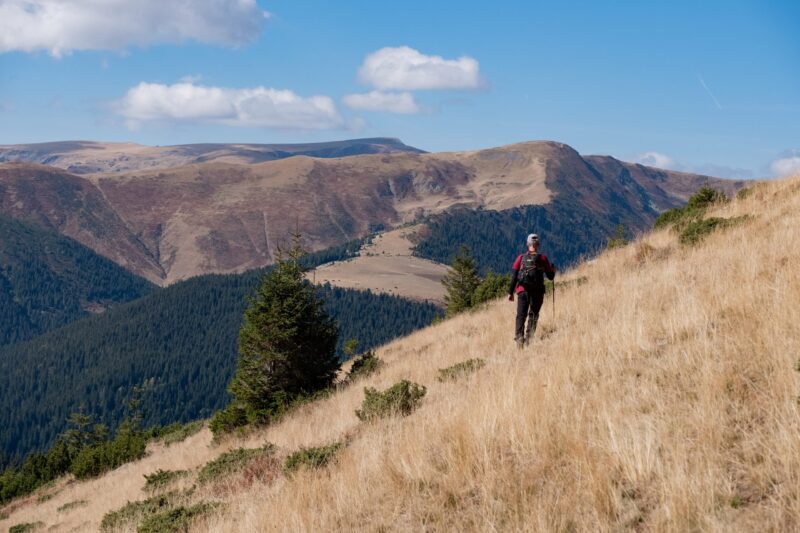
More than a holiday in nature
What if a holiday surrounded by nature meant not only discovering wild landscapes, but also making a tangible contribution to their recovery? Taking nothing but memories and leaving nothing but footprints is a fundamental principle of responsible tourism. But what if you could leave something more behind? What if you could offer your time, energy, and knowledge by getting involved wherever an extra pair of hands is needed?
This idea inspired the first edition of Rewilding Week, organized by Rewilding România in the Țarcu Mountains, where European bison once again roam free. The return of Europe’s largest land mammal to the wild supports ecosystem recovery and habitat diversity while creating new opportunities for local communities to develop nature-based tourism.
But what exactly is rewilding tourism, and how does it differ from other forms of tourism?
Unlike mass tourism, which can strain natural resources, ecotourism aims to reduce environmental impact and support local economies. Rewilding tourism adds a new dimension: actively contributing to nature’s recovery. Alongside observing wildlife and discovering natural and cultural heritage, visitors can take part in practical rewilding activities. At the same time, by choosing local accommodation, food, and guiding services, they support the economies of the communities that welcome them.
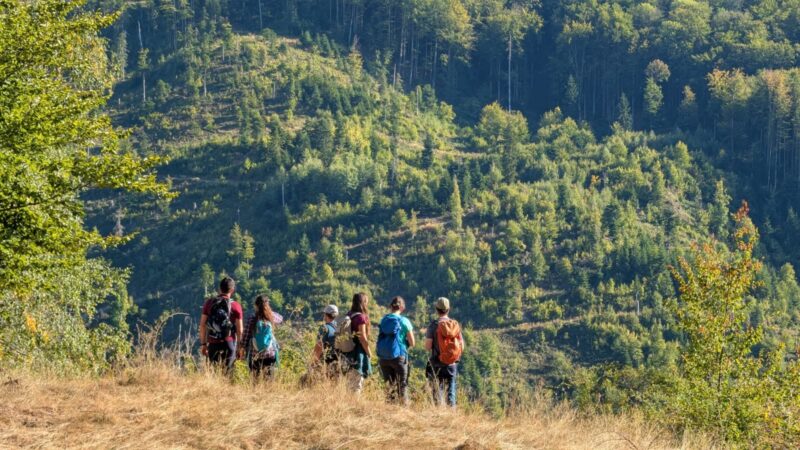
This approach is also reflected in the work of Rewilding România Travel, the travel agency managed by the Rewilding România Foundation, through which we develop journeys that bring together nature, people and direct involvement in the field.
The first edition of Rewilding Week was a pilot program built around our teams’ activities. Rather than preparing demonstrations or experiences specifically designed for tourists, we invited participants to join us in our day-to-day work, discover the challenges we face in the field, and contribute wherever help was needed.
Small gestures, big steps towards coexistence
The return of European bison to the Țarcu Mountains after a long absence also brings new challenges for local communities. People are learning once again to share this landscape with these imposing mammals, whose presence near settlements can cause concern and discomfort. Since the start of the bison reintroduction initiative, Rewilding România and its partners in the LIFE with Bison project have worked alongside residents to find solutions that help people feel safe while allowing bison to fulfill their important role in ecosystems.
One experience during the first edition of Rewilding Week showed us how important collaboration and the ability to respond to needs in the field can be.
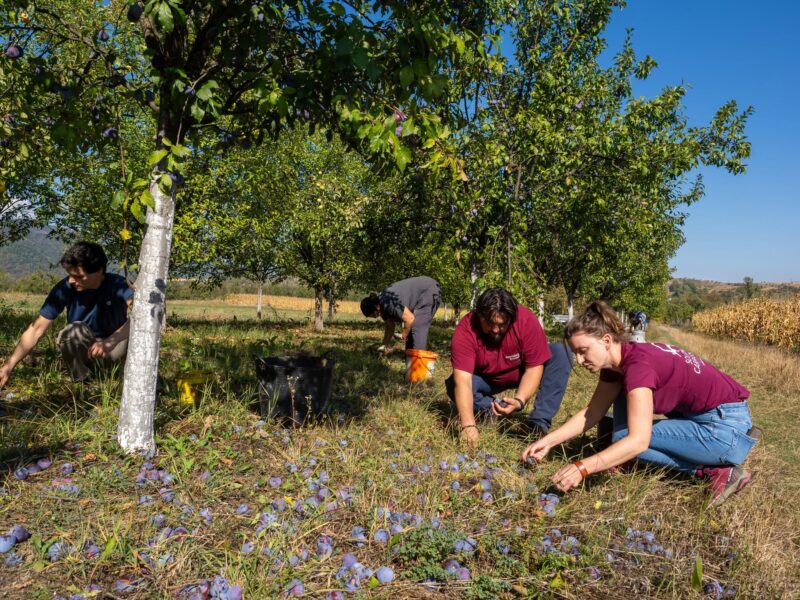
This year, snow fell in the mountains earlier than we had expected, and the bison moved closer to settlements sooner than usual. Several animals even entered residents’ properties, drawn by ripe fruit in orchards, especially fruit that had fallen to the ground or hadn’t yet been harvested. Among the families whose properties bison visited was Grandma Ana’s family, who have a plum orchard. Rewilding Week participants’ help was unplanned, but came in response to a real situation that arose during the program.
“We were out in the field, showing the tourists how to build an electric fence, when one of the rangers came to tell us that the bison had just been driven away from Grandma Ana’s property and that she needed help. We decided there and then to go and help her” recalls Paula Bora, Enterprise Manager at Rewilding România.
The participants and the Rewilding România team therefore helped harvest the plums. Removing the fruit that attracted the animals helped reduce the risk of bison returning to the orchard and protect the cultivated land, while encouraging the animals to forage in their natural habitats, further away from settlements.
For Grandma Ana, the help came at an important moment. The harvest had been particularly abundant, and she told the participants that sometimes it can take as many as ten years for the trees to produce such a plentiful crop again. What could have increased dissatisfaction with the presence of bison became an opportunity for connection and mutual support.
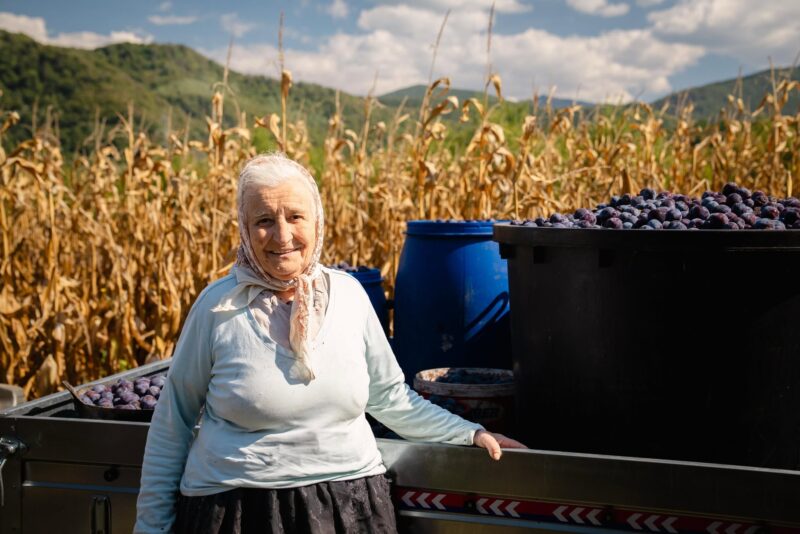
Yet what stayed with the tourists was not simply the orchard work. When asked afterward about their favorite moment during the five days spent in the Țarcu Mountains, some spoke about Grandma Ana’s emotion when she received this unexpected help. Although they did not speak the same language, her gratitude needed no translation. For the participants, it was one of those moments when they realized how much a simple gesture of kindness can mean, and Grandma Ana’s joy expressed more than words ever could.
Through this experience, the tourists discovered that they could make a practical contribution to supporting coexistence between people and bison.
Furthermore, fruit harvested from areas frequented by bison can benefit local communities. One example is MERO Ediția Zimbru, a sparkling apple drink produced by Casa Despi. It carries forward the story of a species’ return to the wild from the brink of extinction. It shows how coexistence challenges can inspire initiatives that benefit local communities.
Direct involvement in wildlife and ecosystem monitoring
Alongside activities supporting local communities, Rewilding Week lets tourists see the rangers’ and Rewilding România team’s work firsthand. Participants followed bison tracks and learned how rangers monitor the animals in the field. They gained insights into bison behavior, their movements through their habitat, and how GPS-collared animals’ routes are tracked. Discussions with the rangers helped them understand why this information is essential for managing the bison population and preventing unwanted situations near settlements.
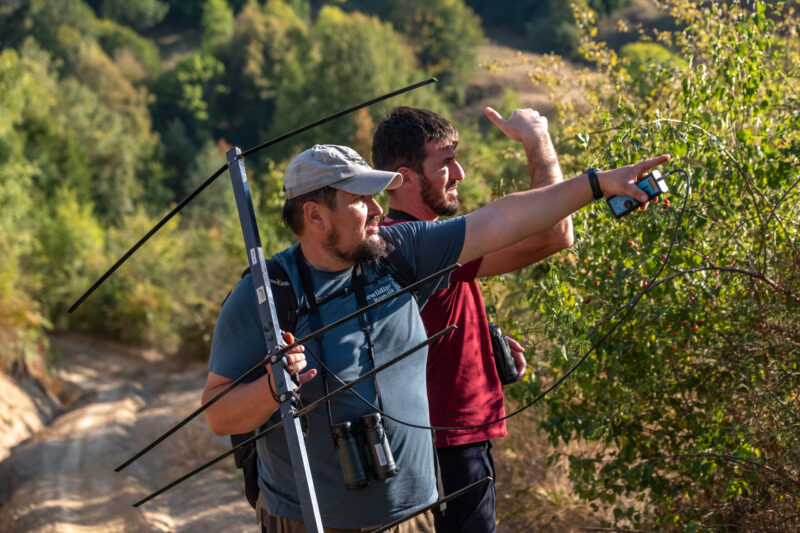
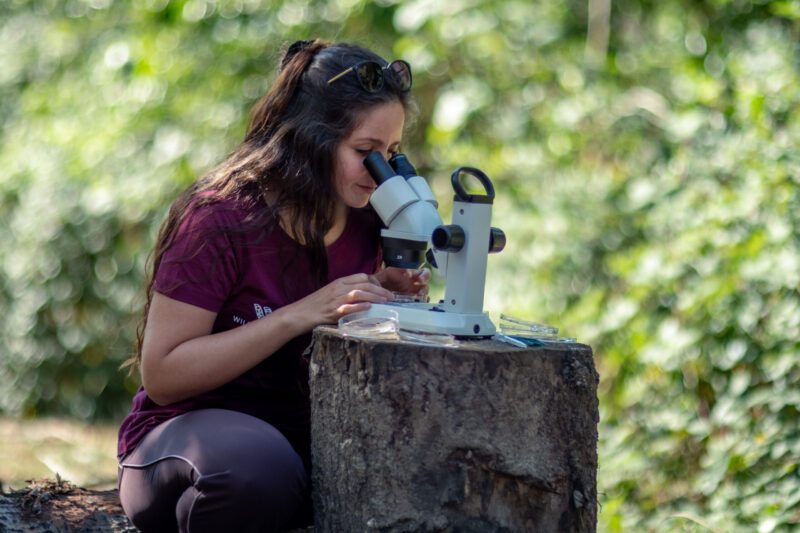
Another part of the program focused on aquatic ecosystems. Through the Open Rivers Program, Rewilding România is removing obsolete barriers from rivers, restoring connectivity and facilitating the movement of aquatic species.
Rewilding Week participants joined the project team and helped search for and identify macroinvertebrates, organisms that provide important information about river ecological conditions. These observations form part of the data collection needed to assess ecosystems and monitor the river restoration process.
For some tourists, curiosity kept them in the field past nightfall. Although it wasn’t part of the program, they were keen to observe beavers’ nocturnal behavior in their natural habitat using thermal imaging cameras.
From tracking bison to exploring life in rivers, each activity helped participants discover different aspects of rewilding work, as well as the importance of monitoring, research, and constantly adapting to field conditions.
Local gastronomy as part of the Rewilding Week experience
Collaboration with local guides, producers, hosts and small businesses was an important part of the Rewilding Week program. Each day, participants enjoyed a meal in a different location, helping to support as many local families as possible. This gave them the chance to meet local people, taste traditional dishes, and discover the region’s recipes and flavors.
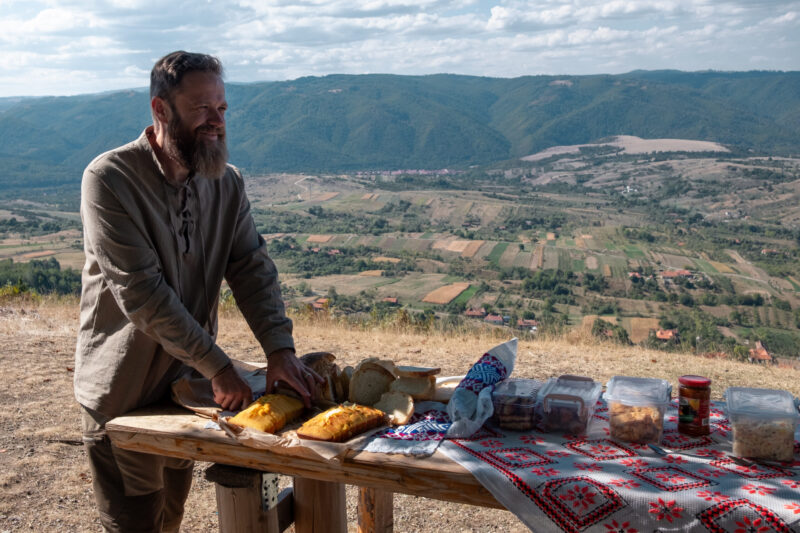
One particularly special moment was a meal prepared by a family from Armeniș, who are preparing to open the village’s first Local Gastronomic Point. With support from Rewilding România, family members attended the courses required to establish and operate this type of business.
In 2025, Rewilding România facilitated two training courses on establishing Local Gastronomic Points, accredited by Romania’s Ministry of Agriculture and Rural Development. A total of 92 people from the Țarcu and Cernei-Mehedinți mountain areas took part. In August of the same year, 15 participants also obtained the mandatory public health and hygiene certification required to open a Local Gastronomic Point. Through this initiative, we aim to help families in local communities develop small businesses based on the region’s resources and traditions.
Local Gastronomic Points let visitors discover traditional dishes made with fresh ingredients sourced from local households and producers. At the same time, they help preserve communities’ gastronomic identity through recipes and customs passed down through generations.
Through the LIFE with Bison project, Rewilding România supports these initiatives so that interest in wild nature and the return of bison can also create opportunities for families living in the region.
The first tourists to contribute to the Bison Fund.
The first edition of Rewilding Week also marked another important milestone: participants became the first tourists to contribute directly to the Bison Fund (Fondul pentru Zimbru). The fund was established to support communities in the bison reintroduction area and the measures needed for long-term coexistence between people and wildlife. Through visitor contributions, tourism can become a funding source for this mechanism.
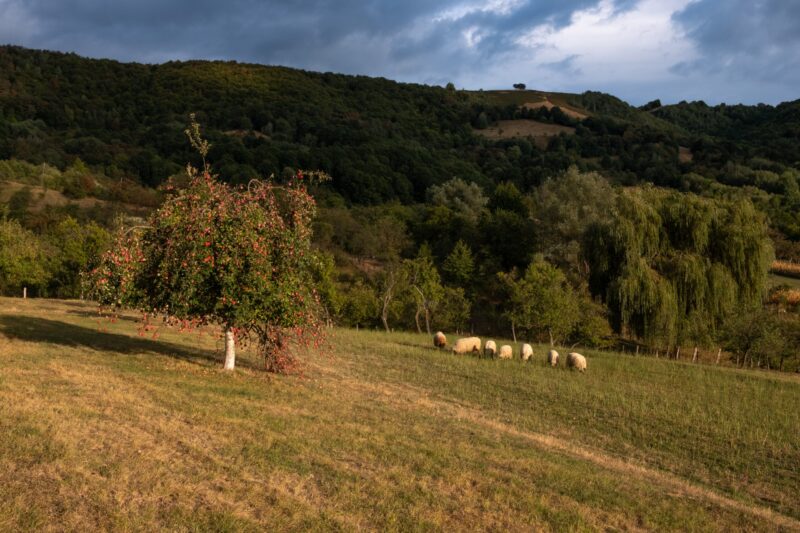
Beyond the support the fund provides, every local experience brings direct benefits to people in the region. A meal at a Local Gastronomic Point, a workshop at a local craftsperson’s home, a visit to a traditional blacksmith’s workshop, or a guided excursion gives tourists a chance to discover local traditions, crafts, and stories while generating income for the families and small businesses that keep them alive.
But perhaps the most valuable thing tourists take home is a deeper understanding of the connection between nature and the communities living alongside it.
“What I enjoyed most was that this experience helped us better understand the local ecosystem and discover the culture of the area in a very personal way. The program was very diverse and showed me that rewilding is not just about animals, plants, mountains and rivers, but also about local communities, which play an essential role in this process. It was a privilege to be part of this story, even if only for a few days,” says Marijn, a Rewilding Week participant.
Once back home, tourists carry memories and stories of the people they met, the places they explored, and the nature that is recovering. By sharing these experiences, they can inspire more people to discover the Țarcu Mountains and get involved in nature’s recovery.
An experience that continues beyond the journey
The first edition of Rewilding Week showed us how much our perspective on nature can change when we experience it up close and contribute to its recovery. Beyond the field activities, what mattered were encounters with local people, the trust built through simple gestures, and the feeling of being part of something that will continue long after the journey ends.
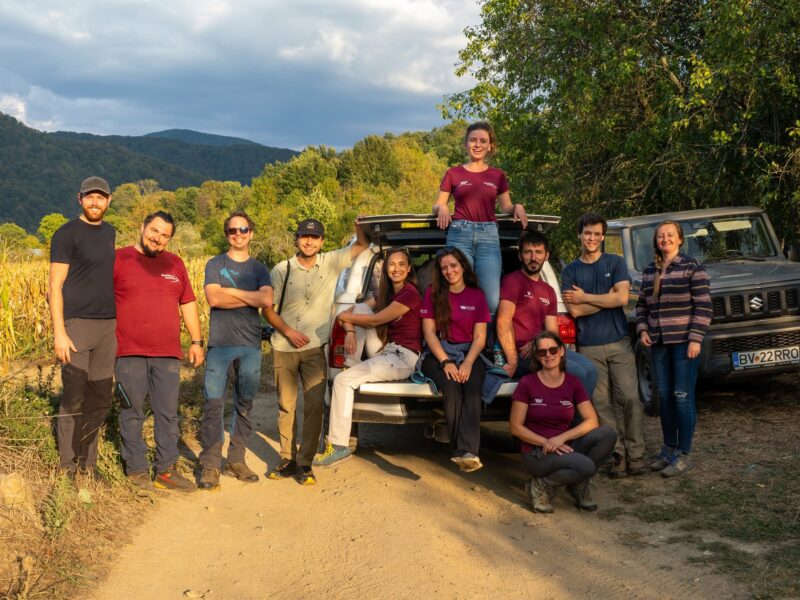
“When you love something, you want to protect it. From that perspective, Rewilding Week is, in a way, an emotional encounter with nature restoration,” says Paula Bora, Enterprise Manager at Rewilding România.
Perhaps this is one of the most valuable things such an experience can offer: not only memories of beautiful places, but also a personal connection with nature and the people who care for it.
And in 10 or 20 years, when these places have become even wilder, perhaps you will be able to look back and say: “I was there. I was part of the story.”
