

After almost a century without breeding populations, griffon and cinereous vultures are set to return to the Southern Carpathians. Through the LIFE for Vultures project, launched in October 2026, Rewilding Romania and its partners aim to restore vulture populations in Romania, reduce the threats that contributed to their disappearance, and create the conditions needed for these birds to resume their ecological role.
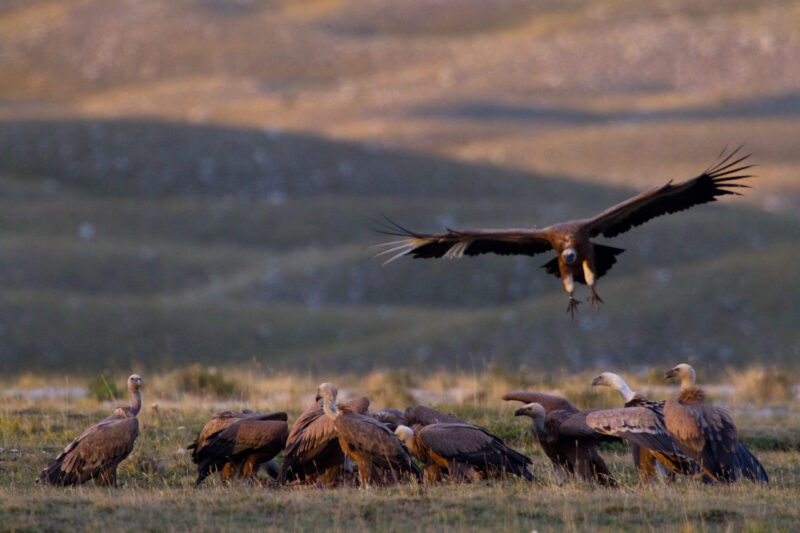
On 1 October 2026, the project “Return of the Griffon and Cinereous Vultures to the Southern Carpathians for a Wilder, More Connected Europe” (LIFE for Vultures) officially began. The European Union co-funds this seven-year initiative through the LIFE Program.
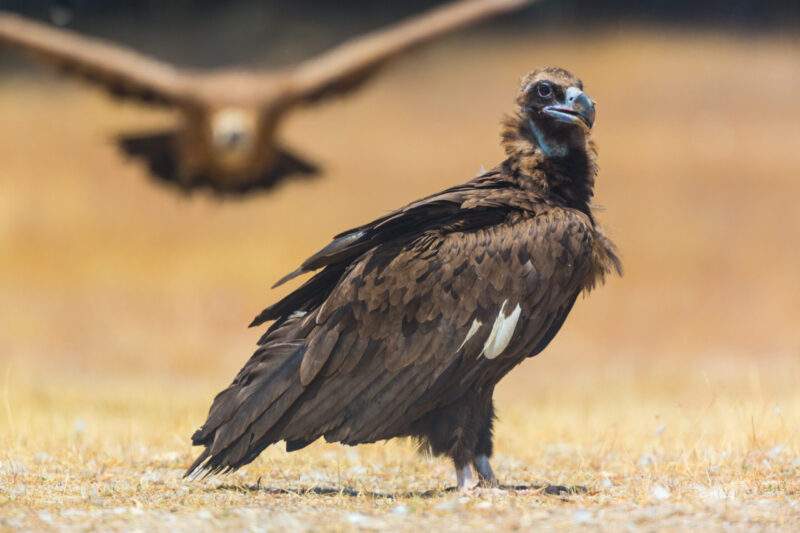
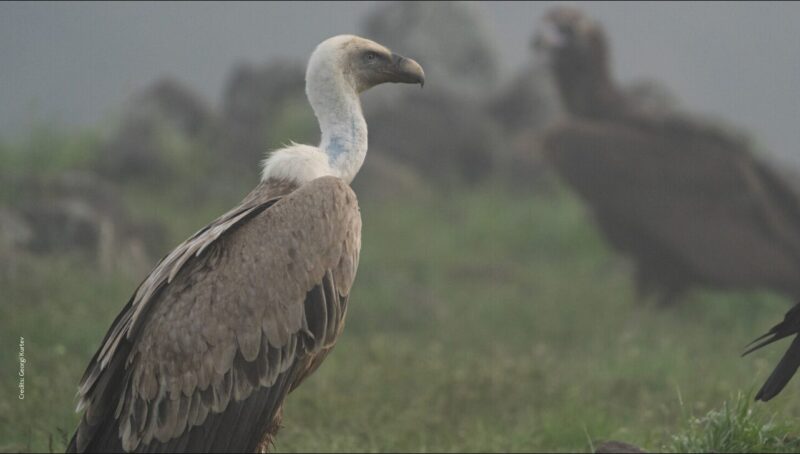
Coordinated by the Rewilding Romania Foundation, in partnership with the Romanian Ornithological Society (SOR), GREFA (Spain) and the Vulture Conservation Foundation (VCF, the Netherlands), the project has a budget of approximately €7.56 million and plans to reintroduce at least 170 griffon vultures (Gyps fulvus) and 24 cinereous vultures (Aegypius monachus) by 2033. The initiative is being implemented with the support of the associated partners Rewilding Europe, Domogled-Valea Cernei National Park, and the Ministry of Environment, Waters and Forests.
The main reintroduction area is located in the Southwestern Carpathians, near Domogled–Valea Cernei National Park, within the municipality of Obârșia-Cloșani, Mehedinți County. Here, the necessary conditions will be created for the birds to acclimatize and be gradually released, as well as for their long-term monitoring and protection.
Why did vultures disappear from Romania?
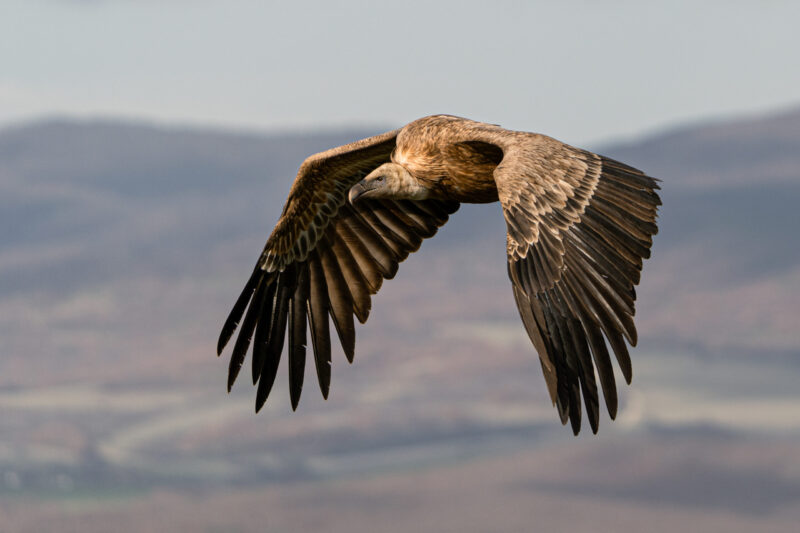
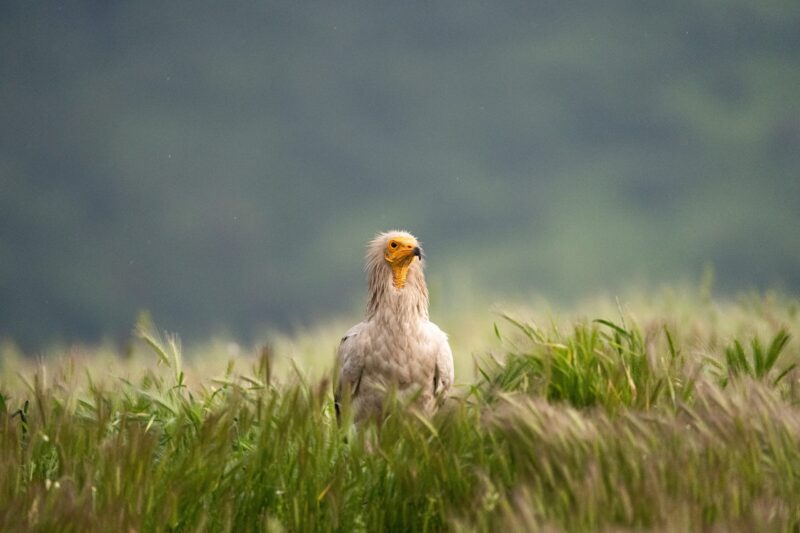
Around a century ago, four vulture species were part of Romania’s fauna: the griffon vulture (Gyps fulvus), cinereous vulture (Aegypius monachus), bearded vulture (Gypaetus barbatus) and Egyptian vulture (Neophron percnopterus). Today, none of these species has breeding populations in the country, although individual birds are occasionally observed.
Their disappearance occurred gradually during the first half of the twentieth century and the following decades. The last documented breeding records of griffon and bearded vultures date back to 1929, those of cinereous vultures to 1942, and those of Egyptian vultures to 1966.
The gradual disappearance of these four vulture species from Romania resulted from several factors, ranging from direct persecution and poisoning to profound changes in agriculture and livestock farming.
The main causes were:
- Direct persecution. Between 1870 and 1950, vultures were shot and captured, their nests destroyed and their eggs collected. Griffon and cinereous vultures were mistakenly considered a threat to livestock, which even led to organized campaigns to eliminate them in some regions.
- Secondary poisoning. Between 1920 and 1950, animal carcasses poisoned with substances such as strychnine and cyanide were used to control carnivores. Vultures feeding on these carcasses died, even though they were not the intended targets of the poisoning.
- Reduced food availability. The introduction of sanitary regulations requiring animal carcasses to be buried reduced the amount of food available in the wild.
- Changes in agriculture and rural landscapes. The intensification and collectivization of agriculture, the shift toward keeping livestock indoors, and the decline in domestic animals grazing freely, including horses used for agricultural work, further reduced the food available to vultures.
- Collection of birds and eggs. Capturing or killing birds and collecting eggs for scientific and private collections placed additional pressure on already declining populations.
These factors led to the gradual decline and isolation of vulture populations, making them increasingly vulnerable until all four species disappeared from Romania’s fauna. The disappearance of vultures also disrupted ecosystem functioning. These scavenging birds played an important role in removing animal carcasses, thereby contributing to nutrient recycling and limiting the spread of certain pathogens.
Although vultures are often associated with death because of their feeding habits, they play an essential role in maintaining healthy ecosystems. They are not predators specialized in hunting healthy animals, but scavenging birds, also known as “nature’s clean-up crew”. Their return to Romania would therefore mean not only the recovery of species that have disappeared as breeding birds, but also the restoration of an important ecological function.
Rewilding: restoring natural processes and relationships between species
The reintroduction of vultures in Romania is part of wider efforts to restore natural processes through rewilding. This approach to nature conservation seeks to restore ecological processes with the help of keystone species, allowing ecosystems to regain their ability to regulate themselves and evolve naturally, with progressively less human intervention over time.
In the Southern Carpathians, Rewilding Romania is already contributing to restoring natural processes through LIFE with Bison, a project co-funded by the European Union through the LIFE Program. Implemented together with Rewilding Europe, WWF, WeWilder, the municipalities of Armeniș, Teregova and Cornereva, and the Wildlife and Mountain Resources Research and Development Institute (ICDCRM) in Miercurea-Ciuc, the project brings together efforts to restore the European bison population in the Țarcu Mountains. Ten years after the first release into the wild, the population has grown to more than 250 bison, over half of which were born in the wild. These results confirm the project’s success and the effectiveness of the reintroduction and conservation measures implemented so far. Rewilding Romania is also strengthening wild herbivore populations, along with other initiatives to restore biodiversity and ecological connectivity.
The reintroduction of vultures represents another step in this direction. While herbivores influence vegetation and habitat structure, vultures contribute to nutrient recycling by consuming animal carcasses. Together, these species support more complex and resilient ecosystems.
In the long term, establishing viable vulture populations in Romania could also help improve connectivity between European populations, particularly those in the Iberian Peninsula, southern France, the Balkans and Eastern Europe.
Three years of preparations for the return of vultures
Although LIFE for Vultures officially began in October 2026, preparations for reintroducing the two species, griffon and cinereous vultures, began in 2023 with a feasibility study. This was the first step in assessing the conditions required for their return to Romania. We identified suitable habitat and assessed food availability, nesting conditions, existing threats, and opportunities to monitor and protect the birds after their release.
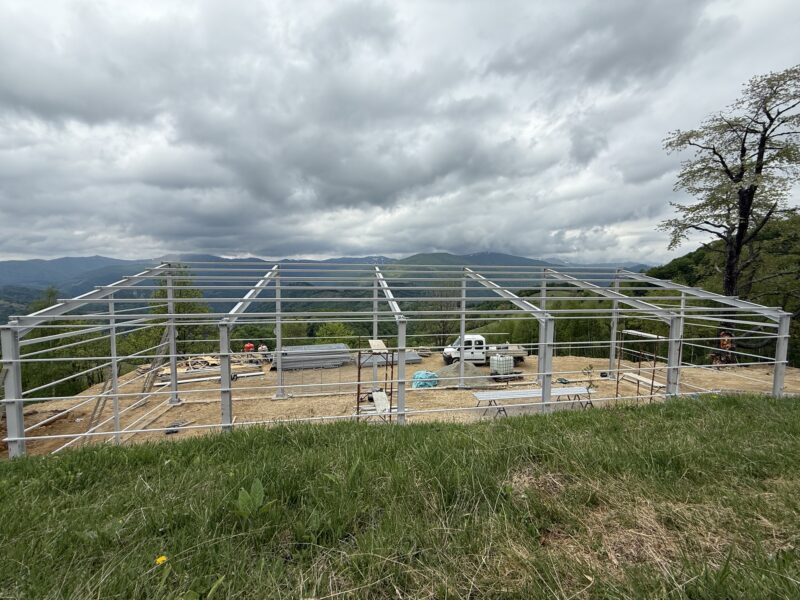
In 2023, Rewilding Romania also established a partnership with the administration of Domogled–Valea Cernei National Park, where the vultures are due to be reintroduced. The area was identified as suitable for the return of both species to the wild, as it meets the necessary conditions for this process. An acclimatization aviary is being built within the municipality of Obârșia-Cloșani, where the vultures will be housed and monitored before their release into the wild.
In 2024, we held consultations with representatives of eight municipalities in the area surrounding the national park. That same year, we carried out a sociological study to assess local attitudes towards vultures and better understand local communities’ perceptions and potential concerns.
In 2025, we signed a partnership with Obârșia-Cloșani Municipality and obtained official support from the Romanian Ministry of Environment, Waters and Forests for the griffon and cinereous vulture reintroduction program.
In February 2026, the building permit for the acclimatization aviary was obtained, and construction work began. The aviary is now nearing completion. In 2026, through Rewilding Europe, we also established a partnership with GREFA, which will select, prepare, and transport the birds.
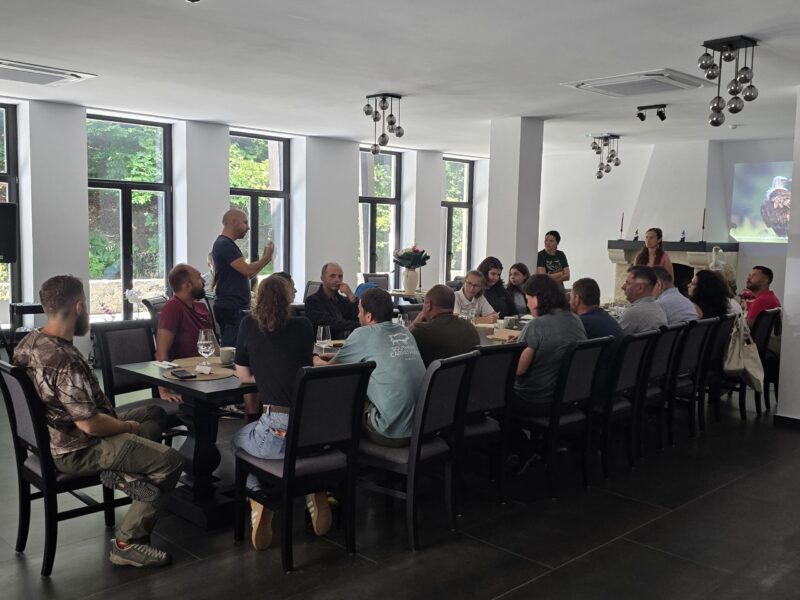
In June 2026, we organized another meeting with representatives of the eight municipalities, inviting representatives from two additional communities surrounding the national park. Vultures can travel long distances in search of food and suitable nesting sites. They may therefore move beyond the territories of the municipalities initially included in the project. We also want neighboring communities to be informed and involved so we can prevent potential threats and ensure the birds are protected as they expand their range.
In July of the same year, a meeting was held with some of the project partners and local authorities: the Mehedinți County Environmental Directorate – National Agency for Environment and Protected Areas (ANMAP), the Mehedinți Sanitary Veterinary and Food Safety Directorate, the Mehedinți Environmental Guard, as well as representatives of Domogled–Valea Cernei National Park, Retezat National Park and Romsilva – Iron Gates Natural Park.
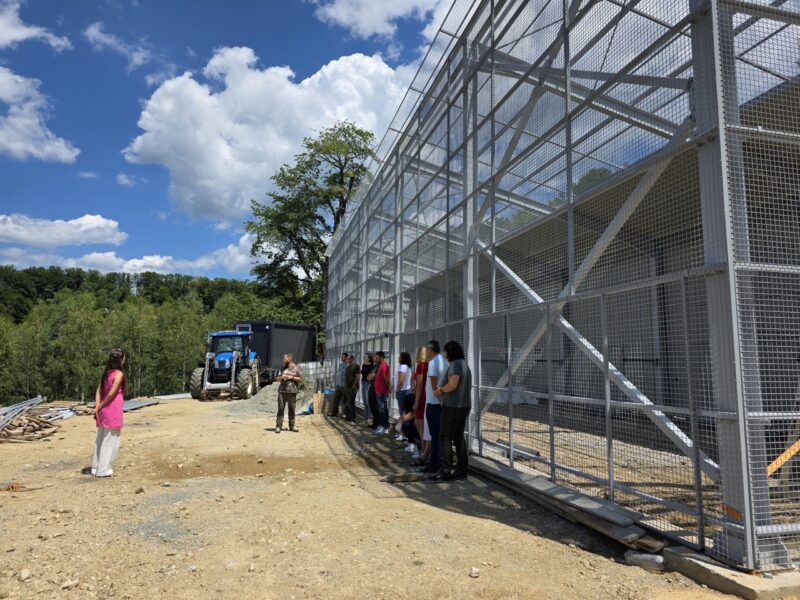
During the preparations for the reintroduction, exchanges of experience with European organizations that have already carried out similar projects played an important role.
In 2024, Marina Drugă and Cătălin Josan, members of the Rewilding Romania team, took part in a study visit to Terra Naturalis in Spain. During the visit, they observed the habitat where vultures had been reintroduced, acclimatization aviaries, and feeding stations. They also participated in activities involving ringing cinereous vultures and fitting tracking devices for subsequent monitoring.
In 2025, Marina Drugă, Executive Director of the Rewilding Romania Foundation, visited the wildlife rehabilitation center managed by GREFA, which subsequently became one of the project’s partners. The visit provided an opportunity to learn more about bird selection, health assessments, and the procedures required for their transport, acclimatization, and release into the wild. These experiences helped develop a program adapted to conditions in Romania, drawing on expertise gained in other European countries.
From acclimatization to life in the wild
The two species will be reintroduced gradually, starting with griffon vultures, with the first releases planned between 2027 and 2033. The reintroduction of cinereous vultures is scheduled for a later stage, beginning in 2030. The birds will come from rehabilitation centers and, where appropriate, conservation breeding programs, with GREFA coordinating their selection and preparation.
Before transport, each bird will undergo veterinary checks and quarantine procedures. After arriving in Romania, the birds will spend between six and nine months in the specially designed aviary, where they will gradually adapt to their new environment. Releases will take place in stages, and the birds will be fitted with GPS transmitters and visual identification rings. Monitoring will allow tracking of their movements, identification of feeding and resting areas, assessment of survival, and, over time, observation of any breeding attempts.
The project also includes establishing authorized feeding stations to support the birds during their adaptation period. Artificial nesting platforms will also be installed for cinereous vultures.
The aim of the project is not simply to release a certain number of birds, but to create favorable conditions for them to remain in the region, stay safe, reproduce, and gradually establish stable, viable populations. We aim to reduce threats to vultures and help improve connectivity between European populations. At the same time, we hope the return of these species will create new opportunities for local communities through responsible tourism based on rewilding experiences, birdwatching and wildlife photography, guiding services, and partnerships with local producers. Vultures could become a symbol of the region and of a shared achievement: bringing species that have disappeared from Romania back into the wild through the joint efforts of environmental organizations, authorities and local people. Community involvement will be essential to ensuring that their return is lasting and that the benefits are realized responsibly, with respect for nature.
Protecting vultures is just as important as reintroducing them
Experience from other European reintroduction projects shows us that the return of vultures depends not only on the quality of the habitats selected, but also on reducing the threats that could affect their survival. One of the most significant dangers is the illegal poisoning of wildlife. Vultures may consume carcasses contaminated with toxic substances, even when the poison was not intended for them.
To prevent and investigate such incidents, LIFE for Vultures includes establishing a specially trained canine unit to detect toxic substances. Cooperation with relevant authorities will also be essential to identify and manage poisoning incidents. We are counting on their support and involvement to reduce the risks vultures face, particularly during the first few years, when newly establishing populations will be especially vulnerable.
Other significant risks include electrocution and collisions with power lines. The project includes identifying dangerous infrastructure, insulating certain electricity poles, and installing devices to make power lines more visible to birds. The project will also address risks associated with lead poisoning, certain veterinary medicines, disturbance in nesting areas, and the development of energy infrastructure near nesting sites.
GPS monitoring will provide essential information about the birds’ behavior and the areas where additional protection measures are needed. Based on the data collected, the project team will be able to adapt its interventions and conservation strategies.
A National Working Group for Vulture Conservation will also be established, and a National Action Plan will be developed to set out priority measures for reintroducing and protecting these birds in Romania. The plan will include actions to reduce threats, identify new reintroduction areas and improve connectivity between populations, enabling them to become viable and persist in the long term.
Local communities are essential to the return of vultures
Our experience of reintroducing European bison in the Țarcu Mountains has shown us that local community involvement is essential to the success of such a project. With this in mind, we began building collaborative relationships with authorities, farmers, and residents of the Southwestern Carpathians even before LIFE for Vultures officially began. We will continue to invest time and resources in strengthening these partnerships. We want people in the region to understand the importance of bringing vultures back and to become actively involved in protecting them.
After so many decades without breeding vultures in Romania, it is understandable that these birds are not widely known. Some misconceptions about them stem from a lack of knowledge or fears about their presence near homes and farms. This is why education, accurate information, and encouraging a sense of responsibility among local people are essential to the long-term success of LIFE for Vultures. We want people to understand vulture behavior, their feeding habits, and the ecological role they fulfill. We also want to respond openly to questions and concerns.
To support this, together with the Romanian Ornithological Society (SOR) and with the support of the Romanian Ministry of Environment, Waters and Forests, we have created the interactive platform Desprevulturi.ro . Through quizzes, interactive challenges, and photographs, it offers an accessible and engaging way to learn about the four vulture species that once lived in Romania and to understand their importance in nature better.
A seven-year project with a long-term vision
LIFE for Vultures will run until 30 September 2033, but restoring viable vulture populations in the Southern Carpathians requires time and sustained efforts, including after the project ends. We hope that, in the coming years, these birds will once again become a familiar sight in Romania’s skies, nesting and raising their young in the wild. We are confident that, through joint efforts, their return can succeed for both nature and local communities. And you can contribute too!
Learn more about vultures at desprevulturi.ro, share accurate information about these birds and help us challenge misconceptions about them. The more people know about vultures and understand their role, the better our chances of securing a safe future for them in the Southern Carpathians.
Disclaimer: This project is co-funded by the European Union through LIFE programme. Views and opinions expressed are however those of the author(s) only and do not necessarily reflect those of the European Union or CINEA. Neither the European Union nor the granting authority can be held responsible for them.

